Fiber Cement Siding
Fiber cement siding: a standard, not a brand
Reviewed by the Siding Pros USA editorial team · · 26 min read
Fiber cement siding is a board made of Portland cement, sand, water and cellulose fibers. It does not burn or rot, it holds paint well, and it is heavy and brittle until it is on the wall. We read the code reports of three national makers side by side and found the same grade, the same flame spread and the same thickness in each. What separates a good fiber cement wall from a bad one is how it was installed.
Fiber cement siding is a standard, and the wall is made by the installer
- One grade. All three reports we read place the product in the same class of the same standard: ASTM C1186, Grade II, Type A.
- It does not burn. All three report a flame spread index of 0, and all three classify the board as noncombustible.
- One thickness. The standard lap board is 5/16 inch thick in all three.
- The differences are on the wall. Clearances, flashing, joints and cut edges are set by the installer, and they are where fiber cement fails when it fails.
The material goes by several names. Fiber cement siding, cement board siding and plain cement siding are the same product. This page covers what it is, how it is hung, what moves its cost, and how to read a quote for it. We publish no price averages and we recommend no brand.
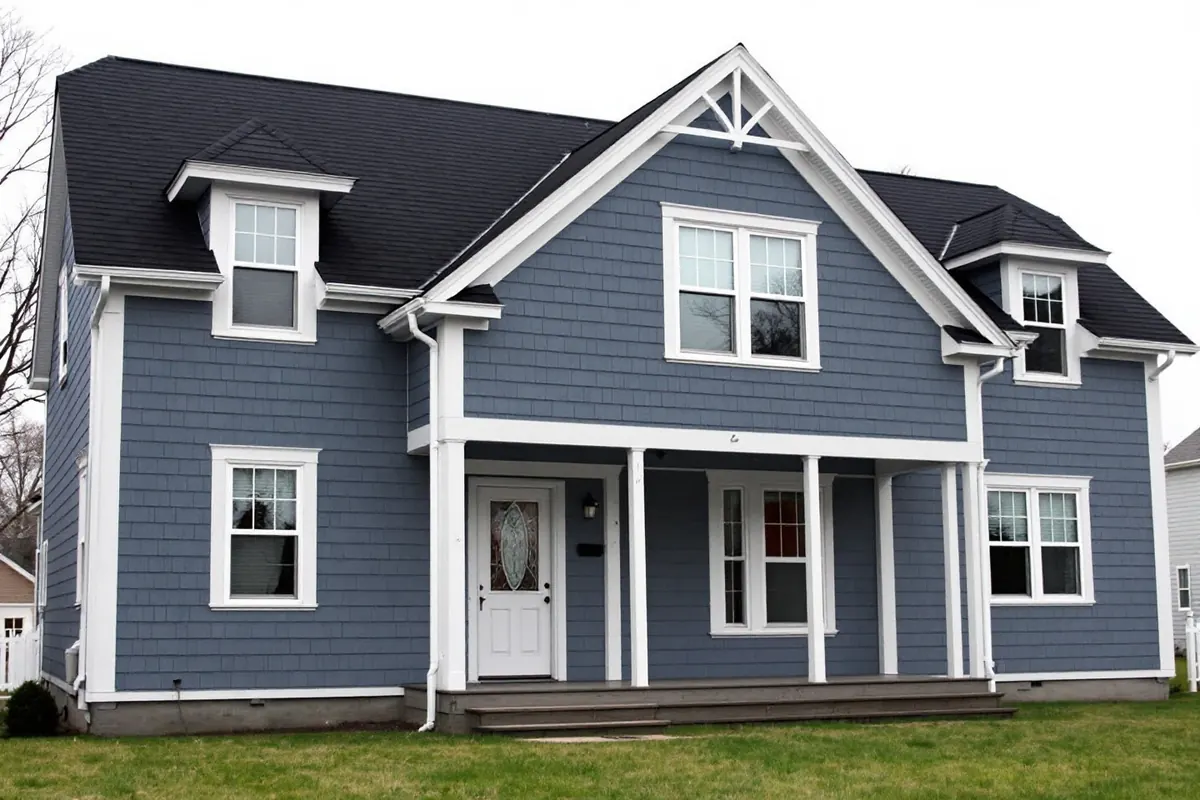
Our Reading
Our reading: 3 makers' code reports, side by side
Makers of fiber cement siding show that a product meets the building codes through a report from an independent evaluation agency. We read three code evaluation reports from three different agencies for three national makers, and set down what each says.
| Report, holder, agency | Edition read | ASTM C1186 class | Flame spread | Smoke developed | ASTM E136 | Lap board thickness |
|---|---|---|---|---|---|---|
| ESR-2290 James Hardie, ICC-ES | Reissued March 2026, revised May 2026 | Grade II, Type A | 0 | Less than 5 | Noncombustible | 5/16 inch |
| CCRR-0258 Nichiha, Intertek | Revised August 15, 2023 | Type A, Grade II | 0 | 0 | Noncombustible | 5/16 inch |
| CERus-1012 Allura, QAI Laboratories | Revised October 2025 | Type A, Grade II | 0 | 5 or less | Noncombustible | 5/16 inch |
What the three agree on
Everything that describes the board itself. All three place it in ASTM C1186 as Grade II, Type A. All three give a flame spread index of 0, the best result the surface burning test can return. All three classify it as noncombustible under ASTM E136; one report's words are “classified as noncombustible when tested in accordance with ASTM E136.” And the ordinary lap board is 5/16 inch thick in all three, sold in widths from about four inches to twelve.
What that means when you compare quotes
Fiber cement siding materials from these three makers are the same kind of thing, tested the same way to the same class. A quote that leans on the brand name is leaning on the part of the job that varies least. The products differ in finish, in texture, in the warranty and its conditions, and in what the nearest supplier stocks. They do not differ much in what the board is. The part of a quote that deserves your attention is the labor: who is hanging it, and whether they follow the instructions.
Limits of the reading
Three reports is three reports; other makers exist and we did not read theirs. The reports cover the product, not any one installation. Each has an edition date, shown in the table, and the newest revision of one of them that we could find is from 2023. We name the report holders because the documents are theirs; that is not a recommendation, and we are paid by none of them.
The Material
What is fiber cement siding, and what is it made of
Fiber cement siding is a thin board of cement reinforced with fibers, formed with a wood grain or smooth face, and fastened to a house the way wood siding is.
What is fiber cement siding made of
One maker's own description lists the ingredients as Portland cement, sand, water and cellulose fibers, with additives that vary by manufacturer. The evaluation report for the same maker calls the product cellulose fiber reinforced cement. The cement and sand give hardness and fire resistance. The fibers hold the thin board together so it can be nailed.
Cement board siding and fiber cement board
Cement board siding is the everyday name for the same product; the words fiber, cement and board are combined in every order and mean nothing different. Two cautions on names. A fiber cement board sold as tile backer is a different product: backer board goes behind tile indoors and is not a finished exterior cladding. And large-format fiber cement panels are also used as cladding on commercial buildings, which is the same material in another form.
Brand names used as generic words
One maker's brand name is so widely used that many people say it when they mean fiber cement of any make. A quote that uses a brand name may or may not mean that maker's product, so ask which product is being quoted. The table above shows how much the code documents of three makers have in common.
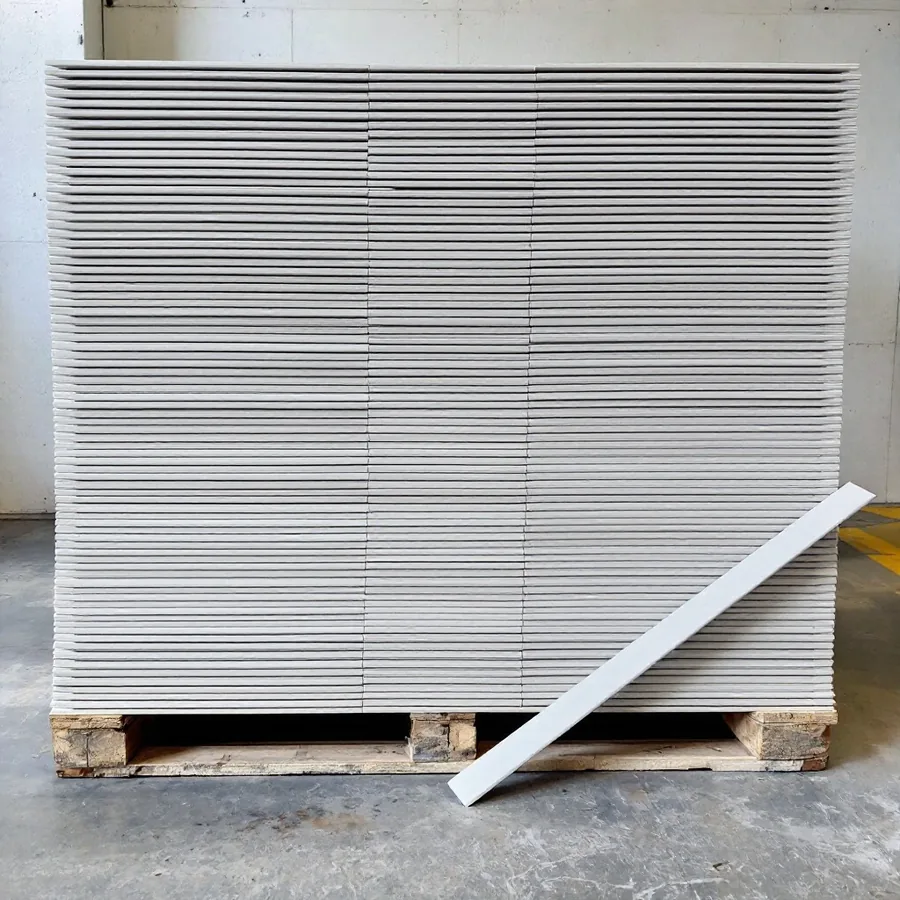
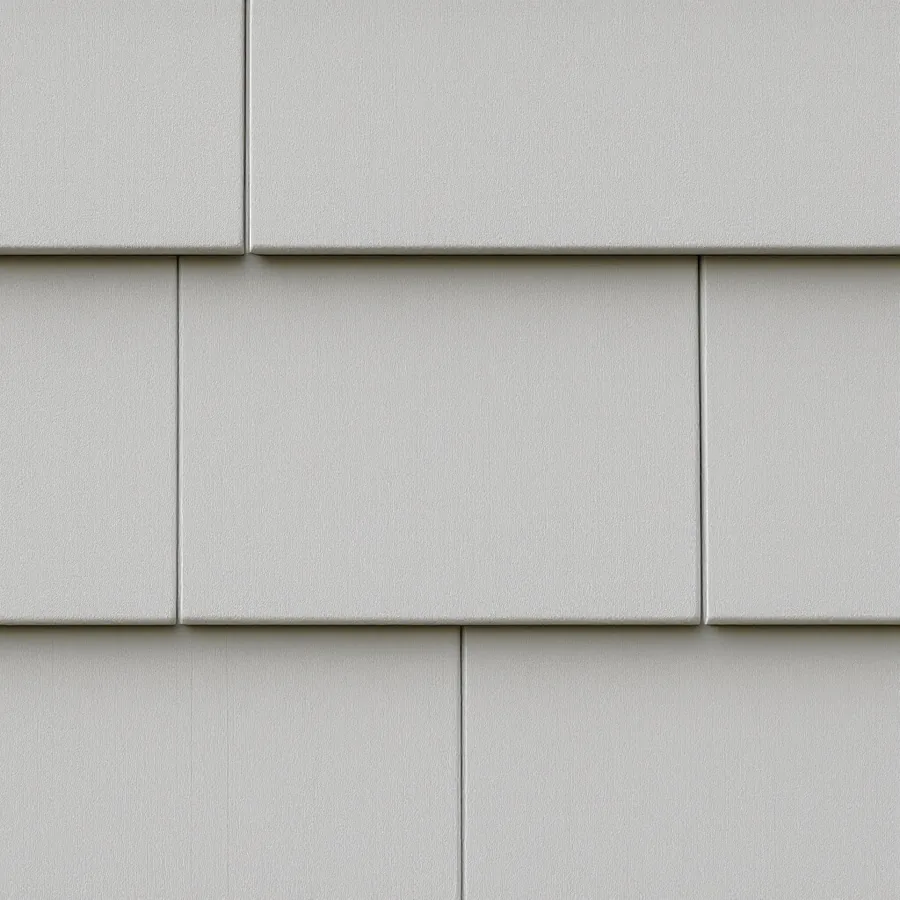
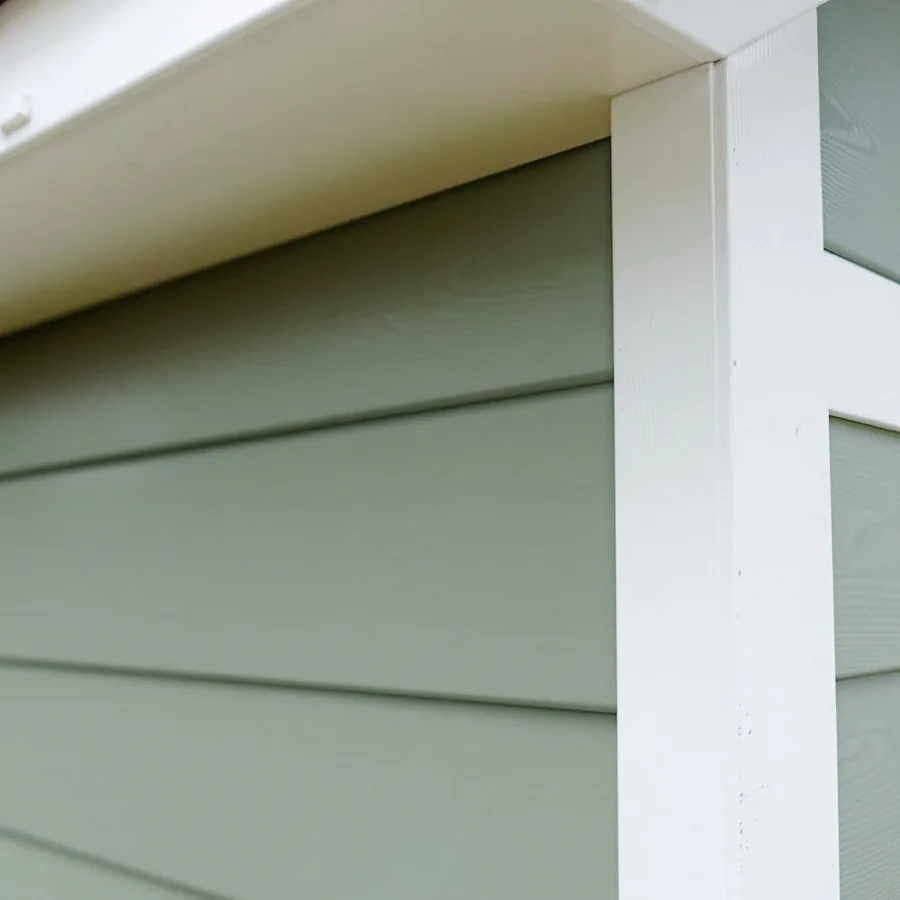
How common it is
The Census Bureau's survey of new single-family houses found fiber cement as the main wall material on 9 percent of houses completed in 2005 and on 23 percent in 2025. It is strongest in the West, at 31 percent, and the South, at 24 percent, and least common in the Northeast, at 8 percent. That matters when you hire: crews hang best what they hang every week. The regional table for every material is on our home page.
The Shapes
Fiber cement siding styles: lap, panel, shingle and board and batten
Fiber cement siding styles come down to four shapes of the same material. What does fiber cement siding look like? Whatever the mold and the paint make it look like, usually wood.
| Shape | Where it is used | Watch for |
|---|---|---|
| Lap | Whole houses. The default. | How the butt joints between planks are treated. |
| Panel | Modern houses, gables, and under battens. | Flashing at the horizontal joint between sheets. |
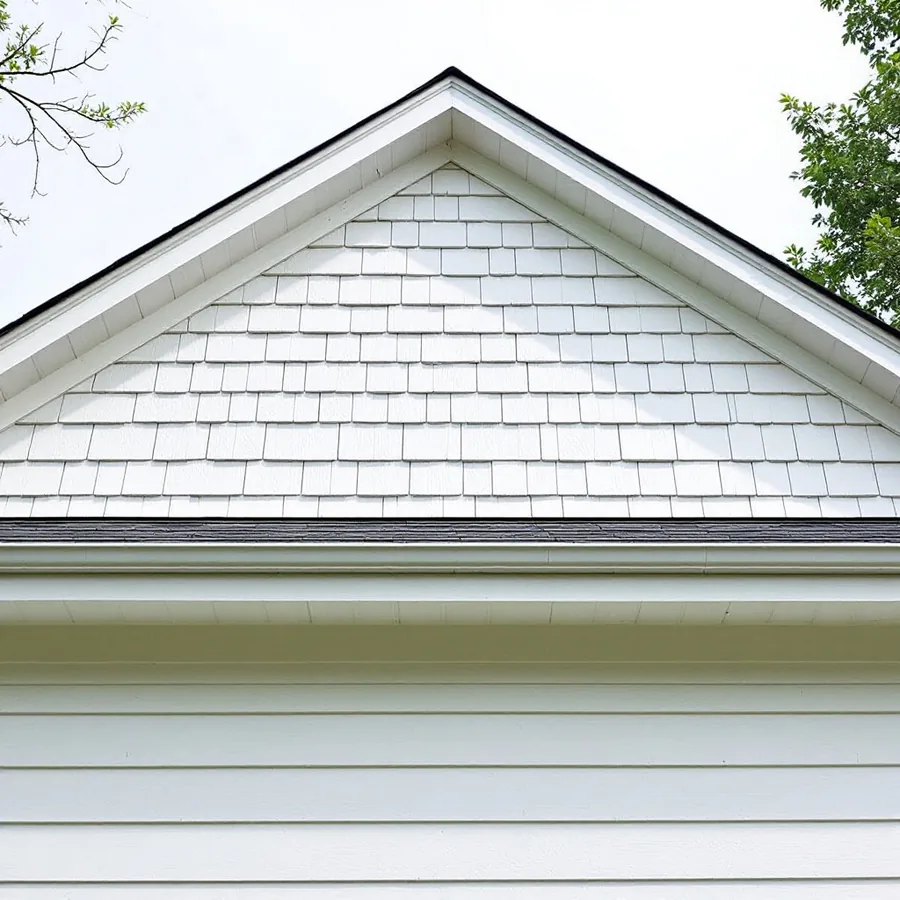
| Shingle | Gables, dormers and upper walls. | More cuts and fasteners per square, so more labor. |
| Board and batten | Farmhouse and modern vertical walls. | Battens landing on the sheet joints. |
The names each shape is sold under
Each shape has trade names. Lap is also called plank or clapboard. Panel is sold as sheets. Shingle and shake are used interchangeably for the small-piece patterns. Board and batten is panels with strips over the joints.
Lap siding and its trim
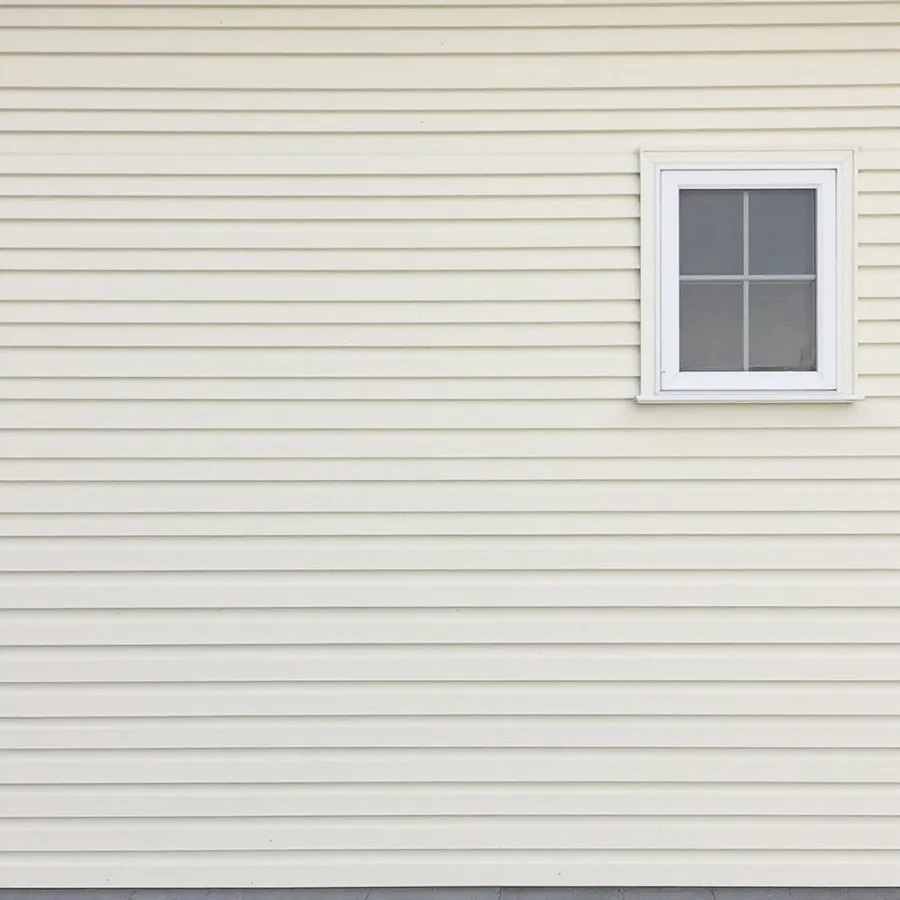
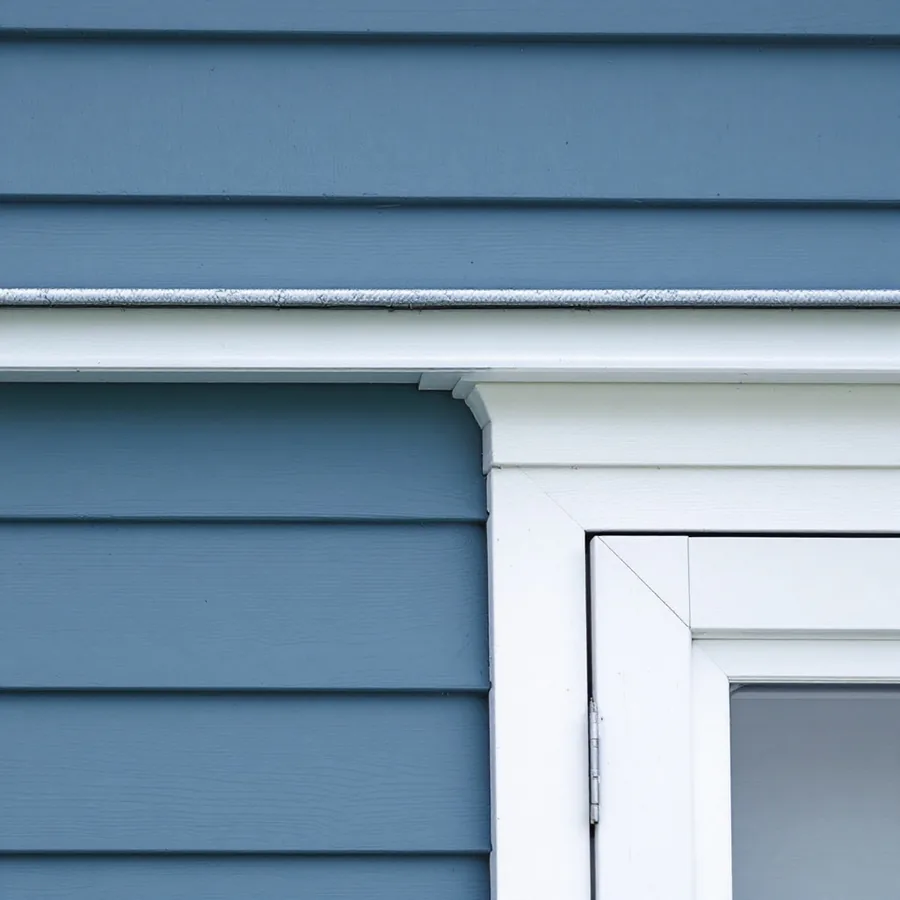
Lap is horizontal planks, each overlapping the one below. Fiber cement lap siding with trim is planks between corner boards, with window and door surrounds in thicker sections. A fiber cement trim board and a fiber cement fascia board are made of the same material in heavier sections, and they are their own line on a quote.
Panels and vertical walls
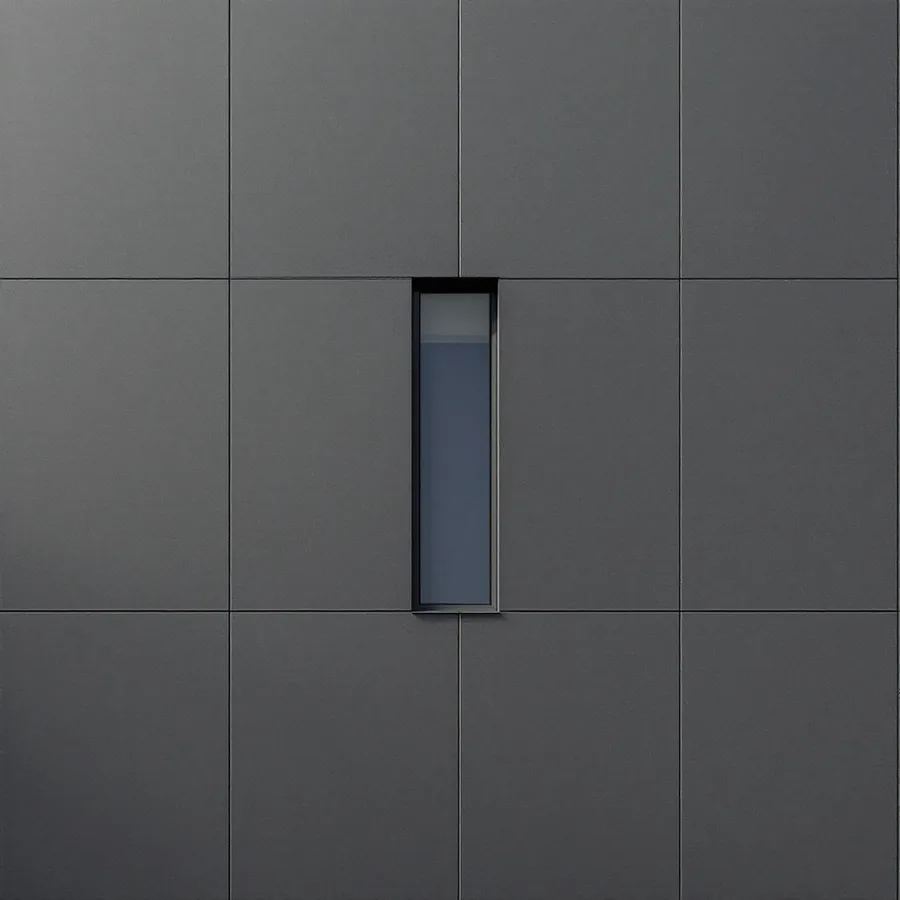
Panels come as sheets; four feet by eight is a common size, with longer ones for tall walls. They can be left plain for a modern look, grooved, or covered with battens. Vertical fiber cement siding is nearly always panels, and with strips of the same material over them it becomes board and batten, which our board and batten siding page covers in every material.
The wood look
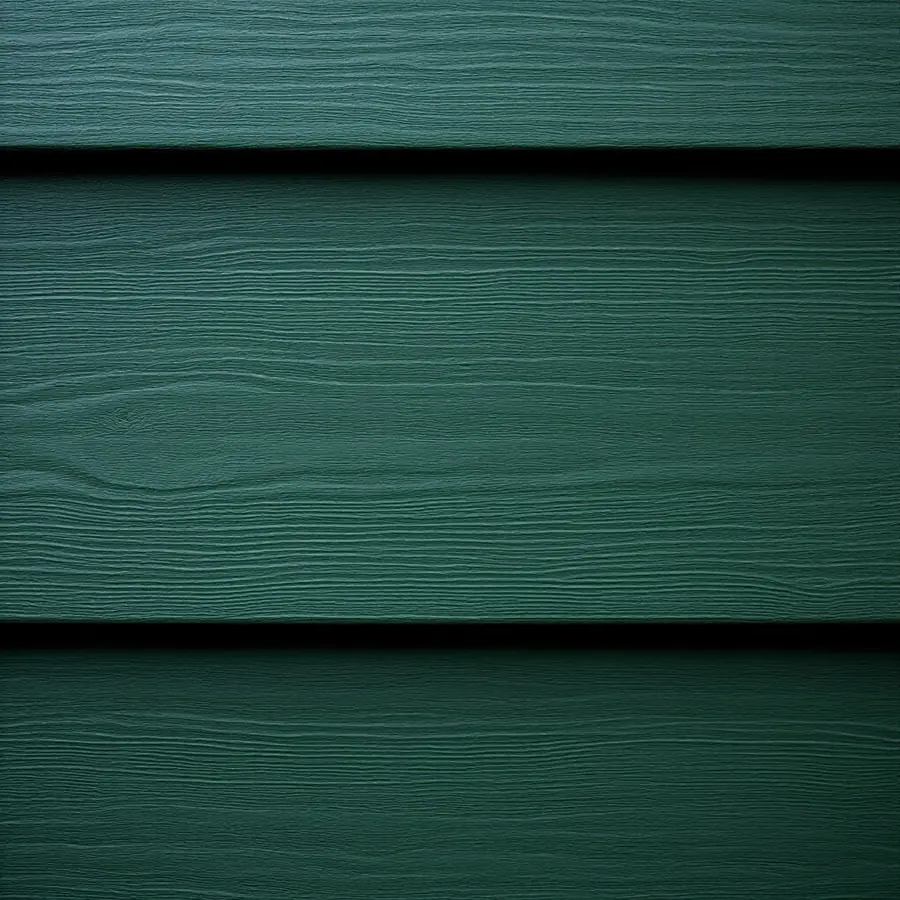
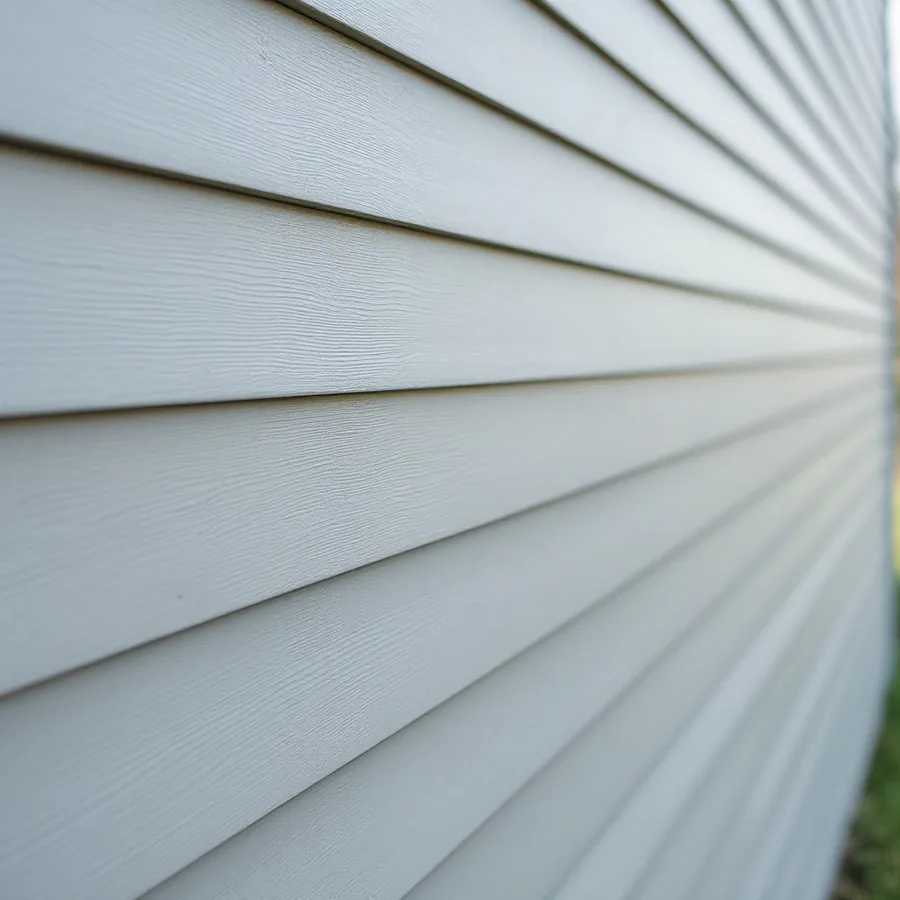
Wood look fiber cement siding has a cedar grain pressed into its face. Once painted it is convincing from the street. Up close the grain repeats, and the board moves far less than wood, which is the point.
Both Columns
Pros and cons of fiber cement siding
Fiber cement siding suits most houses when it is installed to the maker's instructions. The pros and cons of fiber cement siding both come from the same fact: it is cement.
| Question | Short answer | What it depends on |
|---|---|---|
| Is fiber cement siding fireproof? | It is noncombustible, which is the code's word. It will not ignite or feed a fire. | The wall behind it can still burn. The board protects; it does not make a house fireproof. |
| Is fiber cement siding waterproof? | No siding is. The board sheds water and tolerates wetting; it must not sit in water. | House wrap, flashing and the clearances further down this page. |
| How weather resistant is fiber cement siding? | Very. It does not rot, and insects do not eat it. | Paint and caulk kept in order, and cut edges sealed. |
| Does it hold paint? | Better than wood, because it barely moves. | Factory finish or a good field coat. |
| What goes wrong? | Cracked boards, swollen bottom edges, open joints. | Almost always installation: boards too near the ground, missing flashing, nails misplaced. |
| What is hard about it? | Weight, brittleness in handling, and silica dust when cut. | A crew equipped and trained for it. |
The benefits, plainly
What are the benefits of fiber cement siding? It does not burn, rot or feed termites; it keeps its shape, so paint lasts; and it looks like wood. The benefits of fiber cement siding are greatest where fire, damp or insects are a real threat to wood.
Fiber cement siding problems
Fiber cement siding problems reported by homeowners follow a pattern. Boards installed touching a roof or a patio wick water and swell at the edge. Joints with nothing behind them leak. Nails driven too deep or too near an end crack the board. None of these is the material failing. Each is an instruction that was skipped, which is why fiber cement siding reviews read so differently from one house to the next.
Is fiber cement siding worth it?
It is worth it when the installer is good and the house will be kept for years. It is a poor bargain when the lowest bidder hangs it like vinyl. The material forgives very little.
Time
How long does fiber cement siding last
Fiber cement siding lasts as long as its paint, its caulk and its installation let it; the board itself is cement. We publish no number of years for that reason.
What sets the lifespan
On a real house the average lifespan of fiber cement siding comes down to three things that do wear: the paint, the caulk at the vertical joints, and any spot where water was allowed to sit. Makers' warranties run for many years and come with conditions, nearly all of them about installation. Read which part of the warranty covers the board and which covers the finish; they are usually different lengths.
Maintenance
Wash it gently, the way the maker's care instructions describe. Look once a year at the caulked joints and at the bottom course. Repaint when the finish chalks or thins. Keep soil, mulch and planters below the bottom edge.
Repair
A cracked plank can be cut out and replaced on its own, and a new primed board painted to match. That is a real advantage over vinyl, where a discontinued color cannot be matched.
The Money
Fiber cement siding cost: what moves the quote
Fiber cement costs more to install than vinyl, and most of the difference is labor. How much is fiber cement siding in dollars? We publish no averages: the cost of fiber cement siding on your house is a count of squares and a list of lines, and both can be checked.
Is fiber cement siding expensive?
Compared with vinyl, yes, and mostly because of labor. The boards are heavy, they are cut with dust control, every joint is treated and every board is fastened to a schedule. Ask for the fiber cement siding installation cost as its own line, so you can see how much of the quote is labor.
| Line | What moves it |
|---|---|
| Material | Shape (lap, panel, shingle), width, texture, and above all factory finish or primed. |
| Trim | Corner boards, window and door surrounds, fascia. A house with many openings carries a long trim line. |
| Labor | Squares, stories, the number of openings, and the crew's familiarity with the material. |
| Paint | Only if primed: a second trade, with product and coats named. |
| Tear-off and the wall behind | Layers of old siding, sheathing repair, house wrap, flashing. |
| Older-house lines | Lead-safe work on houses built before 1978; asbestos handling where old cement shingles are present. |
Per square foot, and the calculator people ask for
Fiber cement siding cost per square foot misleads when it is multiplied by floor area, because wall area is not floor area. What fiber cement siding costs on a given house starts with the squares on its walls, and a fiber cement siding cost calculator that asks only for floor area is guessing. Our calculator counts squares from the house's dimensions and gives no dollar figure, on purpose. Cement board siding cost is the same question under another name, and the cost to install fiber cement siding is answered by the six lines every siding quote carries.
The Usual Choice
Fiber cement vs vinyl siding
Fiber cement siding vs vinyl siding is the comparison most buyers make. Is fiber cement siding better than vinyl? It is harder, heavier, paintable and noncombustible. Vinyl is cheaper to hang and needs no paint.
| Point | Fiber cement | Vinyl |
|---|---|---|
| Fire | Noncombustible. | Melts and can burn. |
| Color | Any; repaintable. | Molded in; cannot be changed except with paint the maker approves. |
| Upkeep | Occasional repainting; an eye on the caulk. | Washing. |
| Impact | Hard; can crack from a sharp blow. | Flexes; can crack in cold and distort in heat. |
| Installation | Slow, heavy, dust-controlled. | Fast and light. |
| Repair | Replace a board and paint it. | Depends on matching a faded, possibly discontinued panel. |
The cost side
Up front, fiber cement costs more than vinyl on both material and labor. Over the years, add repainting to one column and nothing to the other, then weigh that against the repair and fire rows above.
How the comparison usually resolves
How does fiber cement siding compare to vinyl in practice? By region and by house. The Census shows vinyl on most new houses in the Northeast and Midwest and fiber cement strong in the West and South. Pick the one the good crews near you hang every week, and whichever you choose, get the square count first.
The other half of this comparison has a page of its own: vinyl siding, with the panel thickness of sixteen product lines read side by side.
Other Comparisons
Fiber cement vs wood, engineered wood, stucco, metal and composite
Fiber cement is also weighed against wood, engineered wood, stucco, metal and composite. The table gives the practical difference in each case, and our types of siding page shows which walls are common in each climate.
| Comparison | The practical difference |
|---|---|
| Fiber cement vs wood siding | Wood is lighter, easier to cut and repair, and needs finishing far more often. Our wood siding page compares thirteen siding woods. The choice is mostly a question of how much upkeep you accept. Where wildfire is a risk, the noncombustible board has the advantage. |
| Engineered wood siding vs fiber cement | Engineered wood is lighter and faster to hang and resists impact well. Its warranty depends on sealed edges and clearances. It is combustible; fiber cement is not. |
| Fiber cement siding vs stucco | Stucco is a wet-applied finish by a different trade and is the regional norm in the Southwest. Choose by which trade is strong where you live. |
| Fiber cement siding vs metal panels | Metal is lighter, will not crack and dents instead. Its finish is fixed at the factory; fiber cement can be repainted. |
| Composite siding vs fiber cement | Composite is a loose term covering engineered wood and polymer boards. Ask for the data sheet and compare that product, not the word. |
On The Wall
How fiber cement siding is installed
Installing fiber cement siding is a matter of gaps, flashing and fastening, all set out in the maker's manual. This outline is for judging a crew, not for doing the work; we are not installers.
The clearances, from a published manual
Every maker publishes installation instructions, and following them is a condition of the warranty. The gaps below are taken from the Allura Fiber Cement Siding Installation Manual dated October 2025; Allura is one of the three makers whose reports we read. Yours may differ in detail; the reasons will not. The rule behind all of them is in the manual's own words: the boards “must not be installed such that they remain in contact with standing water.”
| Where the siding meets | The manual says | Why |
|---|---|---|
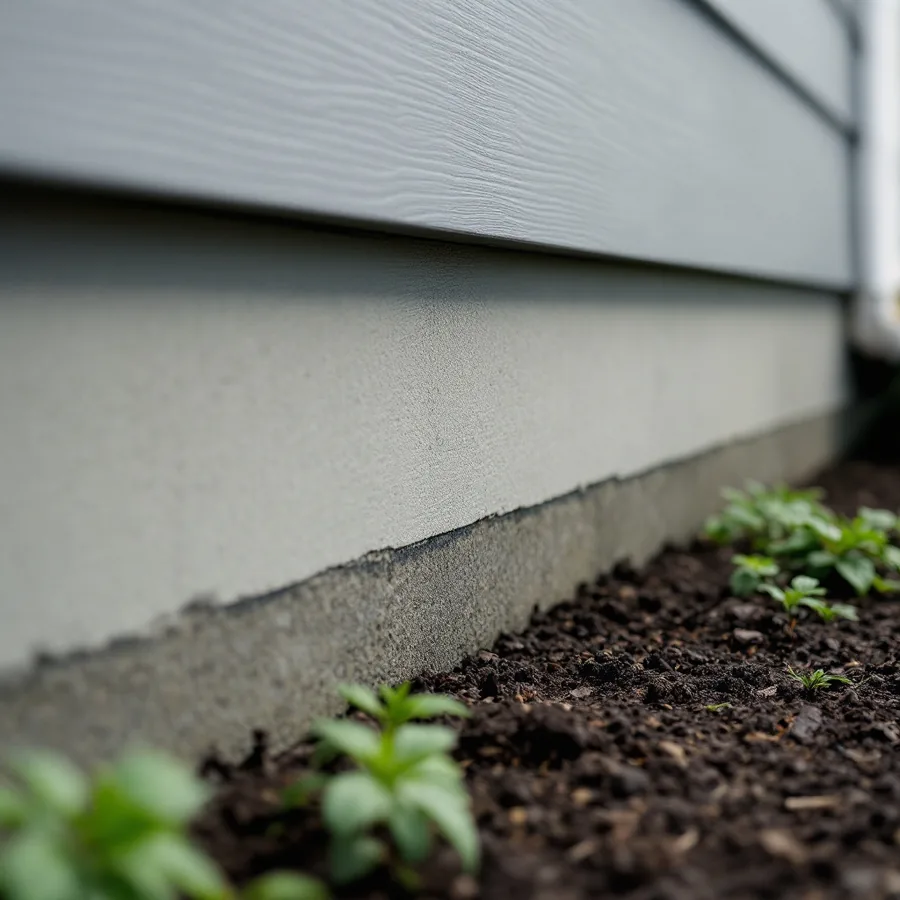
| The ground | At least 6 inches | Soil and mulch hold water against the bottom edge. The manual adds that local code may ask for more. |
| Decks, walks, steps and driveways | 1 to 2 inches | Hard surfaces splash and hold puddles; the board must not sit in standing water. |
| Horizontal flashing over windows, doors and bands | A 1/4-inch gap, left uncaulked | The gap is the drain. Caulking it traps the water the flashing was put there to shed. |
| Windows, doors, trim and corners at the sides | At least 1/8 inch, then caulked | Room for the board and the trim to move without cracking the joint. |
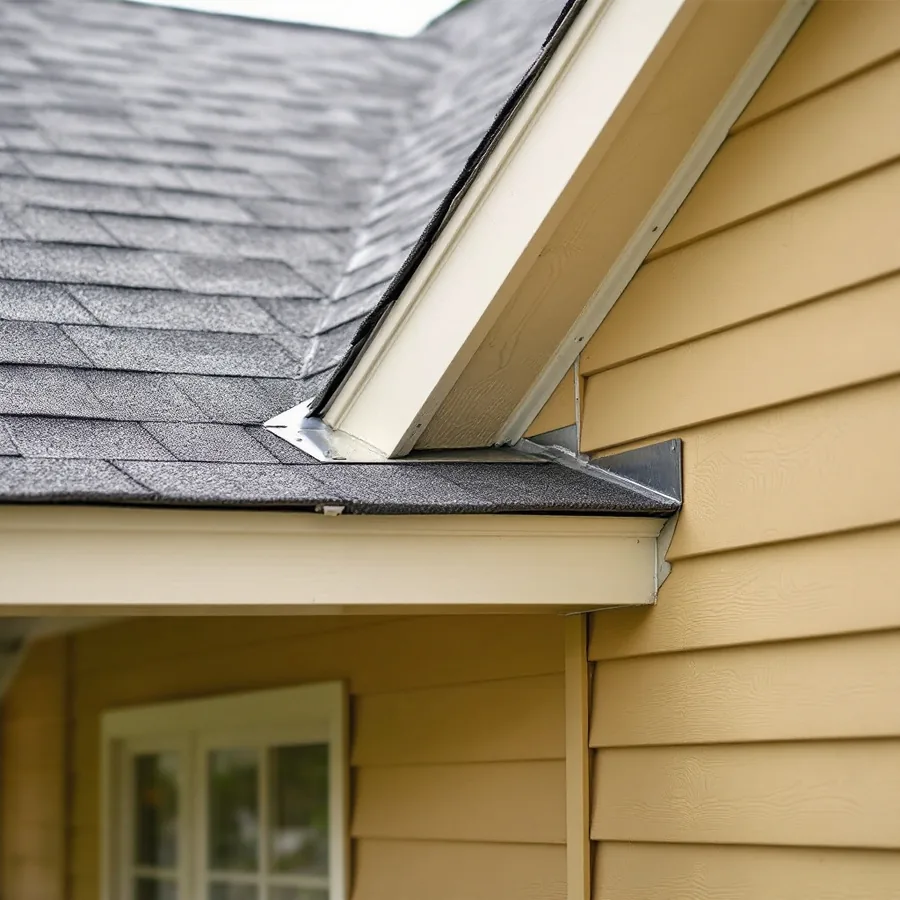
| The end of a gutter | 1 inch | A gutter that ends against the wall pours onto it; a kickout flashing turns the roof water into the gutter instead. |
| Hidden nails | 1 inch from the top edge, no closer than 3/8 inch to the ends | High enough to be covered by the next course, far enough from the end not to break it. |
The line most often broken is the one over windows. The manual is blunt about it: “Do not caulk between the siding and the horizontal flashing.” A neat bead of caulk there looks careful and does harm.
The sequence
- Strip and repair. Old siding off, sheathing probed, rot replaced.
- Wrap and flash. House wrap, flashing at every opening, kickout flashing where a roof edge meets the wall.
- Trim first. Corner boards and window surrounds go up, and the planks are cut to fit between them.
- Starter and first course. A starter strip tilts the bottom course to the right angle, at the right height above the ground.
- Course by course. Each plank nailed near its top edge into the studs and covered by the next.
- Joints. Where two planks meet, flashing behind the joint, a joint cover, or caulk, as the maker allows.
- Seal and finish. Cut edges primed, vertical joints caulked, primed boards painted.
Cutting, nails and screws
Cutting fiber cement siding is governed by a federal dust rule, covered in the next section; the short version is shears, or a saw with dust collection, outdoors. Fiber cement siding nails must be corrosion-resistant; one of the evaluation reports we read names hot-dipped galvanized or stainless steel. Fiber cement siding screws are listed for some wall types and panel systems, and collated ones exist for screw guns. The evaluation reports list the fastener for each wall type and wind load; a crew should be able to say which one they are using and why.
Panels
Installing fiber cement siding panels differs from lap in one respect that matters: the horizontal joint between sheets must be flashed with metal, and the vertical joints must land on framing. Cement board siding installation in panel form is quicker per square than lap and less forgiving of a wavy wall.
Doing it yourself
Installing fiber cement siding looks like carpentry. It is carpentry with long, heavy, brittle boards, dust that is regulated, and a warranty that depends on a list of gaps. Fiber cement board siding installation on a shed is a fair project. On a house it is a job for a licensed crew.
The Rule
The dust: what the silica rule asks of the crew
Fiber cement contains sand, and cutting it makes fine silica dust. On the wall the board is inert. The hazard is to the people cutting it, and there is a federal rule.
What the rule says
The Occupational Safety and Health Administration's construction standard for respirable crystalline silica sets a permissible exposure limit of 50 micrograms per cubic meter of air as an eight-hour average, and an action level of 25 micrograms per cubic meter. One maker's manual notes that this cut the earlier limit of 250 by about four fifths. The standard has a table of tasks with the controls for each. One row is for exactly this job: “Handheld power saws for cutting fiber-cement board” with a blade of 8 inches or less.
What compliance looks like in your yard
- Outdoors. The table entry reads “For tasks performed outdoors only.” Cutting in the garage is outside it.
- A saw with a dust collector. A hose from the saw to a vacuum whose filter is 99 percent efficient or better.
- Or far less dust. Shears and score-and-snap tools cut with far less fine dust than a saw, and many crews use them for straight cuts.
Why it is your question to ask
The rule protects workers, and it is the employer's duty. It is also the quickest test of a crew. One that arrives with shears and a vacuum-fitted saw has hung this material before. One that cuts dry with a bare circular saw beside your open windows has told you how it treats instructions.
Finish
Painting fiber cement siding, and colors
Fiber cement siding needs a finish, and it gets one of two ways: at the factory, or on your wall.
Primed or factory-finished
Primed boards arrive ready for paint and must be painted after they go up; the maker's instructions say how soon. Factory-finished boards arrive in color with a baked-on coating and a finish warranty. Factory finish costs more as material and removes a painting job; primed costs less and adds one. It is the largest single choice on the material line.
Can you paint fiber cement siding?
Yes, and that is one of its real advantages. Fiber cement siding painting is ordinary exterior painting over a clean, dry surface, with the kind of paint the maker's instructions name. Painting fiber cement siding that was factory-finished is also possible when you want a new color years later.
Fiber cement siding colors
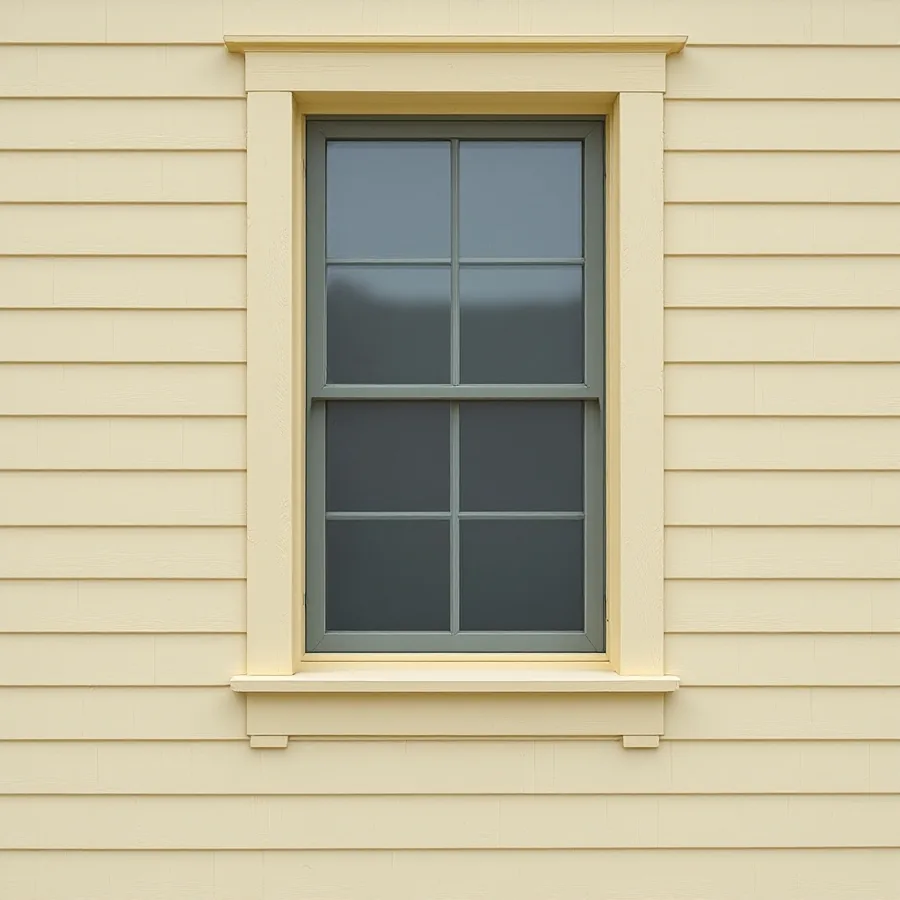
Fiber cement siding colors from the factory are a fixed chart that varies by maker and by region. On primed board the color is whatever paint you choose. That makes color a decision you can change later, more freely than vinyl or factory-finished metal allow. Judge a color on a large sample outdoors, in sun and in shade.
Makers
Brands and manufacturers: how to compare them without a best
We do not rank fiber cement siding brands or name a best one, and our reading of the code reports is the reason.
What is the same
The class of material, the flame spread and the board thickness are the same, as the table near the top shows. All three reports cite the same standard, so the makers are building to one specification.
What actually differs
- The finish. Factory color range, the finish warranty and its length.
- The warranty conditions. What voids it, whether it transfers to a buyer, and whether it covers labor.
- Local supply. Which makers the yards near you stock, which decides lead time and the cost of a replacement board in ten years.
- Installer familiarity. Crews learn one maker's details and trim system. The product your installer knows is usually the right one.
How to use that
Ask each contractor which product they quote and why, then compare the two warranties clause by clause. That takes twenty minutes and tells you more than any list of best brands.
Older Houses
Old cement siding and asbestos
Modern fiber cement is reinforced with cellulose. Its mid-century ancestor was reinforced with asbestos, and some older houses still wear it.
Asbestos cement siding
Asbestos cement siding is usually a small, hard shingle, found on houses from the middle of the last century. The Environmental Protection Agency's guidance is plain: “Generally, asbestos-containing material that is in good condition and will not be disturbed (by remodeling, for example) will not release asbestos fibers.” Left alone and painted, it is a sound wall. Re-siding disturbs it. Before anyone cuts, breaks or removes old cement shingles, ask whether they have been tested and what the plan is if they contain asbestos.
Lead paint
On a house built before 1978 the EPA requires that “anyone paid to perform work that disturbs painted surfaces in homes, childcare facilities and preschools built before 1978 be certified.” Old painted siding coming off a wall is a painted surface being disturbed, so the firm's certification belongs on the quote.
Who Hangs It
Finding a fiber cement siding contractor
Since the board is a standard and the wall is the installer's, choosing among fiber cement siding contractors is the real decision.
What to look for
A fiber cement siding installer who does this material every week, not occasionally. A license and insurance you can verify; the Federal Trade Commission's advice is to “Consider only contractors who are licensed and insured.” A written quote in lines. And answers to the questions in the table below that sound like the manual.
Where we come in
We are a referral service. We connect homeowners with independent siding contractors and are paid a fixed fee for the introduction, the same whatever material you choose. We do not hang siding, sell it or guarantee anyone's work.
Work It Out
Work out what a fiber cement quote should show
Pick three answers below; nothing leaves your browser and no price comes back. What comes out is the list of lines a quote for that job should carry, what the finish adds, which federal rules apply, and the question to ask first.
We are paid the same fixed fee whichever shape and finish you choose, so nothing here leans toward the more expensive one.
Before You Sign
6 questions for a fiber cement installer
The right answers to these six questions are all written in the maker's instructions.
| Ask | What it tests | A weak answer |
|---|---|---|
| How far above the ground and the roof will the siding stop? | Whether they know the clearances. | “We run it tight so it looks clean.” |
| What goes behind the joints between planks? | Whether joints are flashed, covered or just caulked. | “Caulk.” with nothing more. |
| How do you cut it? | Whether the silica rule is followed. | “Circular saw.” |
| Do you caulk above the window flashing? | Whether they have read the manual. | “Yes, everything gets caulked.” |
| Primed or factory finish, and who paints? | Whether painting is priced or forgotten. | “That’s separate.” with no figure. |
| What square count is this quote based on? | Whether anyone ran a tape along the walls. | “About the size of the house.” |
The Federal Trade Commission's advice applies to this material more than most: “Don't automatically choose the lowest bidder.” Check whether the low quote for fiber cement has priced the labor as if it were vinyl.
Who Is Talking
Who we are, and how we are paid
We are not a contractor, a manufacturer or a retailer. We are a referral service paid a fixed fee for an introduction. That is why this page can say that the brand matters less than the installer, and can decline to name a best one. Who pays us and how is on our about page; how we check what we publish is in our editorial standards; and the rest of what we publish starts from the home page.
Straight Answers
Fiber cement siding questions, answered
What is fiber cement siding?
A siding board made of Portland cement, sand, water and cellulose fibers, formed with a smooth or wood grain face. It is sold as lap planks, panels and shingles, it is noncombustible, and it does not rot. It is also called cement board siding, and one maker's brand name is often used for the whole category.
Is one brand of fiber cement better than another?
We read the code evaluation reports of three national makers. All three place the board in the same class of ASTM C1186, report a flame spread index of 0, classify it as noncombustible and list the same lap board thickness. Brands differ in finish, warranty terms and local supply. The installer matters more than the label, so ask us for an introduction and put the six questions on this page to the contractor.
How long does fiber cement siding last?
The board is cement and does not decay, so the working life of the wall is set by the paint, the caulk and the installation. We do not publish a number of years. Read the maker's warranty for the board and for the finish separately, and note that most of its conditions are about how the siding was installed.
Does fiber cement siding need to be painted?
It needs a finish. Factory-finished boards arrive in color and need no painting. Primed boards must be painted soon after installation, which is a separate line on the quote. Either kind can be repainted later, which is one of the material's advantages over vinyl.
Is fiber cement siding more expensive than vinyl?
Yes, up front, and mostly because of labor: the boards are heavy, cutting must control dust, and every joint and clearance takes time. We publish no averages. Start with the square count of your walls, which our calculator works out from the house's dimensions, and compare quotes line by line.
Is fiber cement siding fireproof?
The code term is noncombustible, and all three reports we read give that classification along with a flame spread index of 0. The board will not ignite or feed a fire. That is not the same as a fireproof house: the framing and sheathing behind the siding can still burn.
What are the common problems with fiber cement siding?
Swollen or flaking bottom edges where boards sit too close to the ground, a roof or a patio; leaks at joints with nothing behind them; and cracks from misplaced nails. Each is an installation fault. One maker's manual asks for six inches above the ground and a quarter-inch open gap above window flashing.
Is cutting fiber cement dangerous?
Cutting makes respirable silica dust, which is a hazard to the people doing the cutting, and a federal OSHA rule covers it. The rule's table for handheld saws on fiber cement board calls for cutting outdoors with a dust collection system. Shears make far less dust. Once on the wall the board is inert.
Does old cement siding contain asbestos?
Some does. Cement shingles on houses from the middle of the last century were often reinforced with asbestos. The EPA says material in good condition that is not disturbed generally will not release fibers. Have it tested before any work that cuts, breaks or removes it, and ask the contractor for the plan.
Do you install fiber cement siding?
No. We are a referral service. We connect homeowners with independent siding contractors and are paid a fixed fee for the introduction, the same for any material. Ask the contractor you meet the six questions in the table above before you sign anything.
Where This Comes From
Sources and method
- The three-report comparison: our own reading of ICC-ES Evaluation Report ESR-2290, Intertek Code Compliance Research Report CCRR-0258 and QAI Code Evaluation Report CERus-1012, each linked in the table. We recorded the class under ASTM C1186, the ASTM E84 indexes, the ASTM E136 classification and the lap board thickness as each report states them, with the edition date.
- Clearances and nail placement, and the two quotations on water and caulk: Allura Fiber Cement Siding Installation Manual, October 2025. We name it because the document is theirs; that is not a recommendation. Your product's own instructions are the authority for your wall.
- Silica dust limits and the controls for cutting fiber cement board: Occupational Safety and Health Administration, 29 CFR 1926.1153, Respirable crystalline silica.
- Share of new houses clad in fiber cement: U.S. Census Bureau, Survey of Construction: Characteristics of New Housing.
- Asbestos in older cladding: U.S. Environmental Protection Agency, Protect Your Family from Exposures to Asbestos.
- Lead-safe certification for work on homes built before 1978: U.S. Environmental Protection Agency, Renovation, Repair and Painting Program.
- Hiring a contractor: Federal Trade Commission, Consumer Advice: How To Avoid a Home Improvement Scam.
Our editorial standards explain how we source and check what we publish. Every quotation on this page is taken from a document listed above, and we publish no price averages. We are a referral service rather than a contractor. Last updated .
Before you call anyone
The flat-fee match — we are paid for the introduction, not for the size of your job
Most siding advice is written by the company that wants to do the work or the company that makes the product. That is not a failing of the people who read it; it is a defect in who is talking: the measurement, the estimate and the invoice come from one party, and no amount of care on your side fixes that.
We are built the other way round. We do not install, repair or sell anything, so the payment reaches us when you are connected to a licensed, insured siding contractor — the same amount whether you need one panel replaced or four walls re-clad. Nobody here has a reason to talk you into the larger number. You can check that rather than take it on trust: how we make money is written down, and this site keeps telling readers when one wall is enough. Why does not everyone work this way? Because a flat fee leaves money on the table every time the job turns out to be big.
Waiting is the one thing that actually costs money. A wall that is open to the weather does not get better and does not wait for a convenient week; the water that gets behind the siding finds the sheathing, the framing and the drywall inside. A cracked panel over a window lets the next storm in. And if it turns out to be one panel and a quarter-hour, say so when you ask. We will tell you, and that answer earns us nothing.
Not for you if: you want a price over the phone — nobody honest gives one without measuring the house; you need a guarantee of arrival within the hour — we cannot promise that for a company we do not run; the building is commercial; or you would rather do it yourself, in which case the pages on this site are written so that you can.