Siding Contractors · Dallas, Texas
Siding contractors in Dallas: Texas rules, city records and hail data
Home › Siding replacement › Dallas · Reviewed by the Siding Pros USA editorial team · · 22 min read
Texas issues no state license for siding work, and Dallas lists new siding among jobs that need no permit outside protected districts. So the checking falls to you and the contract. Hail raises the stakes: Dallas County logged 88 reports of hail 1.75 inches or larger in our count.
Siding contractors in Dallas: the short version
- No state license to look up. Texas closed its residential construction commission in 2009, so a siding license number from the state does not exist.
- A city registration, when a permit is pulled. Dallas registers general contractors, roofers included, and the registration is searchable in DallasNow.
- Usually no permit, with exceptions. Adding siding is on the city's no-permit list, except in historic, conservation and planned development districts; rebuilt wall framing needs a building permit.
- Nobody pays your deductible. Offering to waive or absorb it without the insurer's consent is a Class B misdemeanor in Texas.
- Your contractor is not your adjuster. Texas forbids a contractor to negotiate the claim on a house it may work on.
- Hold back 10 percent. Texas lien law tells owners to reserve part of each payment until 30 days after the work is done.
Our Count
Hail in the five counties of the city of Dallas: our NOAA count
The city of Dallas reaches into five counties, according to the Census Bureau's 2020 place file: Dallas, Collin, Denton, Kaufman and Rockwall. We counted every county report of hail at least an inch across in twenty yearly NOAA Storm Events files.
| County | Some cities in it | Hail, 1 inch or larger | Days with such hail | 1.75 inches or larger | Largest | Wind, 65 knots or more |
|---|---|---|---|---|---|---|
| Dallas | Irving; parts of Dallas, Garland, Mesquite and Richardson | 273 | 92 | 88 | 4.25 in | 33 |
| Collin | Parts of Dallas, Plano, Richardson and Garland | 347 | 88 | 127 | 5.25 in | 32 |
| Denton | Parts of Dallas, Carrollton and Plano | 432 | 98 | 157 | 5.90 in | 39 |
| Kaufman | Parts of Dallas and Mesquite | 77 | 35 | 23 | 3.50 in | 16 |
| Rockwall | Parts of Dallas, Rowlett and Garland | 37 | 17 | 14 | 4.00 in | 2 |
| Five counties | All of the above | 1,166 | 200 | 409 | 5.90 in | 122 |

Dallas County: 273 reports, 88 of them 1.75 inches or larger
Dallas County logged 273 reports on 92 separate days, and the largest stone measured 4.25 inches. June (70) and April (65) together hold 49 percent. Every one of the twenty years had at least one report.
Collin and Denton: the north side of the city
North Dallas runs into Collin and Denton counties, and both log more hail than Dallas County: 347 and 432 reports. Denton has the largest stone anywhere in our count, 5.90 inches; Collin's largest was 5.25 inches. More houses also means more people to see a storm and report it.
Kaufman and Rockwall: the east edge
To the east, the city also reaches into Kaufman and Rockwall counties. Kaufman logged 77 reports and Rockwall 37. Rockwall is a small county, so fewer reports there say more about its size than about safety. Rockwall went nine of the twenty years without a report of inch-wide hail.
Days that hit several counties at once
Across the five counties the reports fall on 200 different days. On 86 of them hail of that size was logged in two counties or more, and on 33 in three or more. Two days reached all five: April 3, 2012 and March 14, 2022.
Our Count
Wind and tornado reports in the five counties
The Storm Prediction Center puts “Wind speeds of 75 mph (65 knots) or greater” in its top class of severe wind. The five counties logged 122 such reports, 33 in Dallas County, most of them from March to May. Dallas County also logged 29 tornado reports, three of them rated EF3 or stronger. Wind tears panels loose even when no hail falls.
Method
How we counted the reports, and what they leave out
How we counted
We used the twenty yearly files on the NOAA server in October 2026 (revision codes are under Sources) and kept county rows only. The hail cutoff is the Storm Prediction Center's line, “Hail 1 inch in diameter or larger.” Our Dallas County figures match an earlier count we made from the same files.
What these numbers do not say
Each line is a report that reached the National Weather Service, so a storm over an empty field leaves fewer lines than one over a suburb. We show no trend by year and leave out damage estimates. The count tells you how often siding here meets large hail, not which street is next.
Timing
Two hail seasons in Dallas: spring and a September return
Most severe hail days fall from March to June. North Texas also has a second, smaller run in September and October, which a spring-only plan misses.
| Month | Hail days, five counties | Dallas County reports | What it means for a siding job |
|---|---|---|---|
| January | 3 | 0 | Collect bids, check registrations |
| February | 9 | 3 | Season can open early |
| March | 30 | 32 | Hail season starts in earnest |
| April | 50 | 65 | Most hail days of any month |
| May | 41 | 54 | Still at the peak |
| June | 25 | 70 | Peak month for Dallas County reports |
| July | 9 | 10 | Quieter |
| August | 5 | 4 | Quietest summer month |
| September | 9 | 23 | Second, smaller season |
| October | 9 | 9 | Second season continues |
| November | 7 | 2 | Tapering off |
| December | 3 | 1 | Rare |
| Year | 200 | 273 | Twenty-year totals |

March through June
In the five counties together, 85 percent of the reports fall in March, April, May and June. April alone has 50 hail days in our count, more than any other month, and May follows with 41.
September and October
Dallas County logged 23 reports in September, more than in July and August together. Across the five counties September and October each have nine hail days. A job booked for early fall is not safely past the season.
Late afternoon and evening storms
Of Dallas County's 273 reports, 147 (54 percent) began between 3 and 9 p.m. on the standard-time clock the database uses, and the busiest single hour was 5 p.m. with 48. Daylight time shifts that an hour later on the wall clock.
Booking around the season
Collect bids and check registrations in winter, when crews have time to talk. If siding installation in Dallas has to happen in spring, write into the contract what happens to stored panels and an open wall when a storm comes through.
The License Question
Texas has no state license for siding contractors
So, what is a siding contractor in Texas, legally? Anyone who takes money to install or repair siding. The state sets rules for the contract, not a license for the person.
What the state does license
The City of Dallas answers the license question in its Building Inspection FAQ: plumbing and mechanical contractors need state licenses, electrical work needs a licensed electrician, and “A license is not required for general building work on your own property.” Siding is general building work. A firm can be one of many contractors that do siding with no state card at all.
The commission Texas closed in 2009
Texas once had a Residential Construction Commission that registered home builders and remodelers. The Sunset Advisory Commission records that in 2009 the bill to continue it failed, “abolishing the Texas Residential Construction Commission.” No agency replaced it, so a state license number printed on a siding flyer deserves a question.
What to ask a siding company for instead
When you vet a siding contractor, Dallas gives you one public record to search, and you can ask for three things you can check: the legal name of the company and its address, its City of Dallas registration if a permit will be pulled, and a certificate of liability insurance sent to you by the insurance agent. Then read the contract against the Texas laws further down this page.
City Records
City of Dallas contractor registration: what it is and how to look it up
Search for City of Dallas contractor registration and you will find forms for contractors. For an owner, the useful part is the public search.
Who has to register
The city's application form defines the trade broadly: “A General Contractor includes, but is not limited to, the following: residential general contractor, commercial general contractor, roofing contractor” and more. The registration is renewed every year, and “The City of Dallas requires a contractor to submit proof of an established place of business.” Registered contractors and the staff they name apply for permits and request inspections.
Looking a company up in DallasNow
Permits and contractor registrations now live in DallasNow, the city's permit portal. On its home page, the Contractor Registration tab has a search, and “Search for a Licensee” sits under General Information. A Dallas contractor registration lookup takes a minute: search the exact company name on the bid and compare the address.
What a registration does not tell you
A registration means the city knows who pulls a permit and where the business sits. It is not a test of siding skill, a bond for your job or a review. Siding companies in Dallas that only replace siding may never need a permit, so a missing registration is a question, not a verdict.
The Permit Question
Do you need a permit for siding in Dallas?
Do you need a permit to install siding? In most of Dallas, the city says no. The exceptions are the protected districts and anything that rebuilds the wall itself.

The city's no-permit list
The Building Inspection FAQ lists work that needs no permit “except in certain areas such as historic districts, conservation districts and planned development districts.” One line reads: “Adding of storm windows, shutters, trim, awnings, siding, rain gutters, or insulation to a building.” The full list sits in Chapter 52, Section 301(b) of the Dallas Building Code.
When rotten wall framing turns it into a building permit
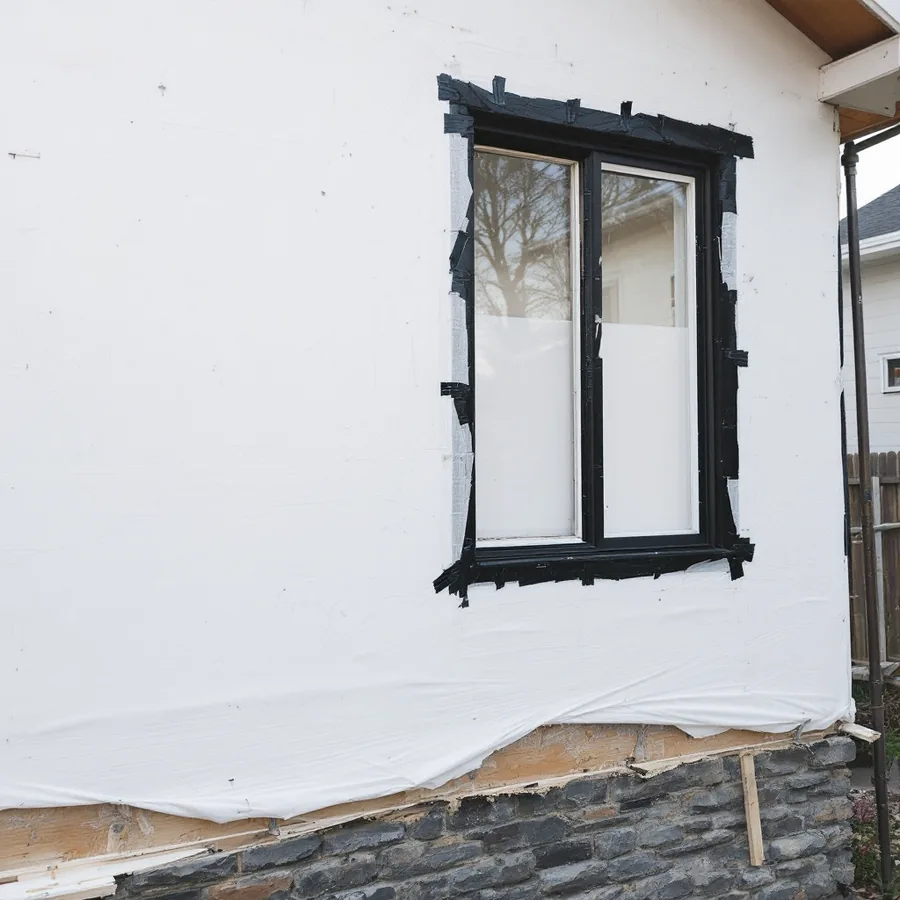
The city's storm-repair page draws the line: “Replacing and repairing damaged siding, sheetrock or windows typically does not require a permit.” But “Replacing structural members such as roof joists, rafters and wall sections will require a building permit.” If the crew finds rotten studs under the old siding, the job changes.
The Permit Question
Who applies for a Dallas permit, and whom to ask
Who pulls the permit
When a permit is needed, the same page says “a homeowner can act as the general contractor if they feel they are capable”; otherwise a registered contractor applies. Is a permit required for siding when only part of the house is done? The list does not turn on size; the district and the framing decide.
Calling the city about your address
Some contractor sites say a full tear-off needs a permit in Dallas; the city's own pages, quoted above, do not say that. When the two disagree, ask Building Inspection about your address at 214-948-4480 and write the answer, with the date and the name, into the contract file.
Protected Districts
21 landmark districts and 19 conservation districts
We counted the districts on the city's two published lists in October 2026: 21 landmark districts and 19 conservation districts. In these 40 areas, siding follows rules written for each neighborhood.
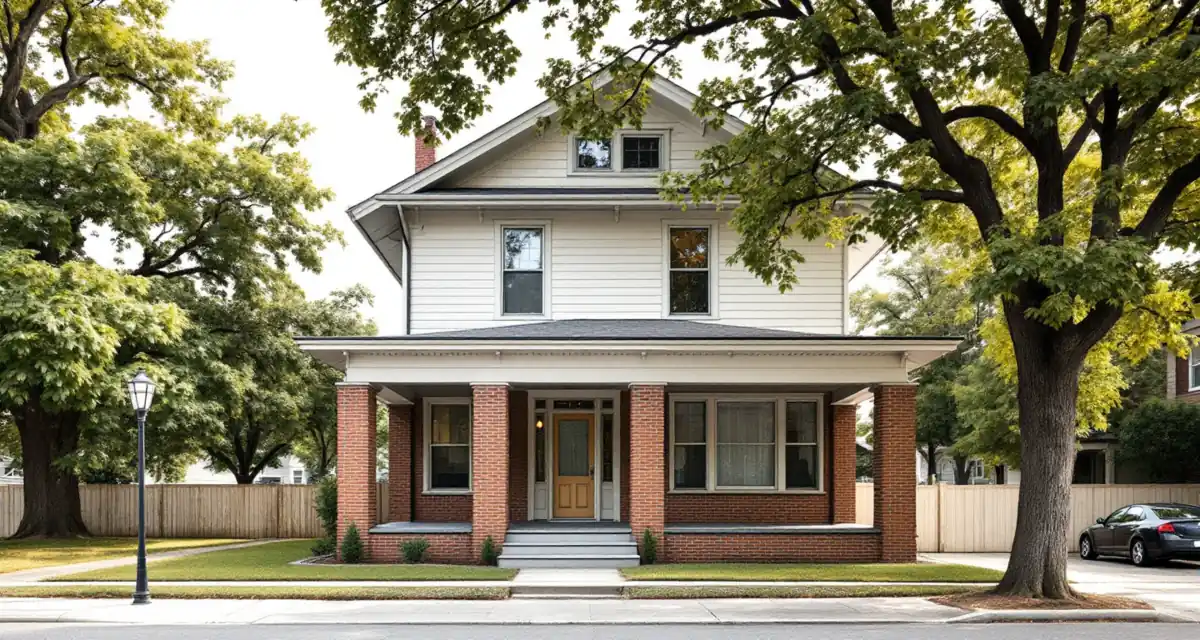
Landmark districts need a Certificate of Appropriateness first
The Office of Historic Preservation says a Certificate of Appropriateness “must be obtained before any work can begin on any property with a Landmark District.” Each district's ordinance holds its own preservation criteria, so the answer for Swiss Avenue may differ from Junius Heights or Winnetka Heights. A siding firm should read the ordinance before it quotes.
Conservation districts have their own ordinances
The city's conservation districts, such as the M Streets, Lakewood and Kessler Park, are written into ordinances that “include minimum development and architectural standards.” Those standards can reach siding material and trim. Ask Planning and Development before signing.
Planned development districts
Planned development districts are the third exception on the no-permit list. We did not count them: we found no single city list to count from. If your deed or plat mentions a PD number, ask the city.
Checking your address on the city map
The city publishes its districts on an online map. Look up the address before any bid; a quote that ignores a district can turn into a stop-work order and a second bid.
Insurance Money
The Texas deductible law: no contractor may pay it for you
Is hail damage to siding covered by insurance? Often, but that depends on your policy. What Texas law settles is the deductible: it is yours to pay, and a seller who helps you dodge it breaks the law.
The notice a contract over $1,000 must carry
Section 27.02 of the Business and Commerce Code covers any contract of $1,000 or more expected to be paid partly from a property insurance claim. It must carry, in at least 12-point bold type: “Texas law requires a person insured under a property insurance policy to pay any deductible applicable to a claim made under the policy.” No notice on such a contract is a sign the seller does not know the law.
An offer to take care of your deductible
The same section makes it an offense for a seller to advertise or promise, without the insurer's consent, to pay, waive or absorb the deductible, or to give a rebate or credit that offsets it. “An offense under this section is a Class B misdemeanor.” An offer to cover it is a reason to end the conversation.
Proof your insurer may ask for
The Texas Department of Insurance notes that the Insurance Code lets insurers ask you for proof the deductible was paid. Pay it by check or card, not cash, and keep the receipt with the claim file. For hail damage siding insurance claims, that receipt can matter as much as the photos.
Insurance Money
Your siding contractor cannot be your public adjuster
Texas Insurance Code Section 4102.163: “A contractor may not act as a public adjuster or advertise to adjust claims for any property for which the contractor is providing or may provide contracting services.”
What TDI calls improper
The Texas Department of Insurance gives examples of language a contractor may not use, among them “Offering to negotiate claim settlements or file a claim for the policyholder.” Promises to recover more than the insurer offers and claims to speak for you on coverage are on the same list. The rule applies even with a public adjuster license or a power of attorney.
Who may negotiate your claim
You do, or a licensed public adjuster who will not do the work, or a lawyer. A contractor can measure walls and write an estimate; the claim stays between you and the insurer.
After A Storm
The first week after a Dallas hailstorm
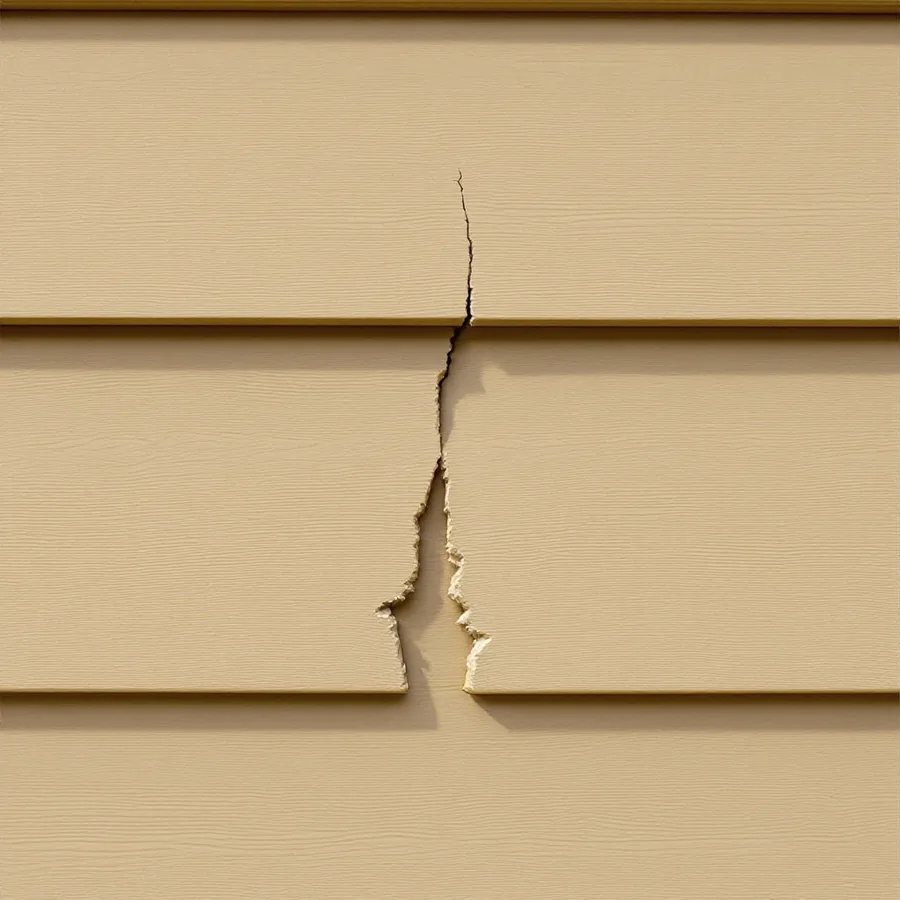
What size hail will damage siding depends on the product, its age and the wind behind the stone; our siding repair guide shows what the damage looks like. This section is about order: who you call, and what you sign.
Date-stamped photos of each wall
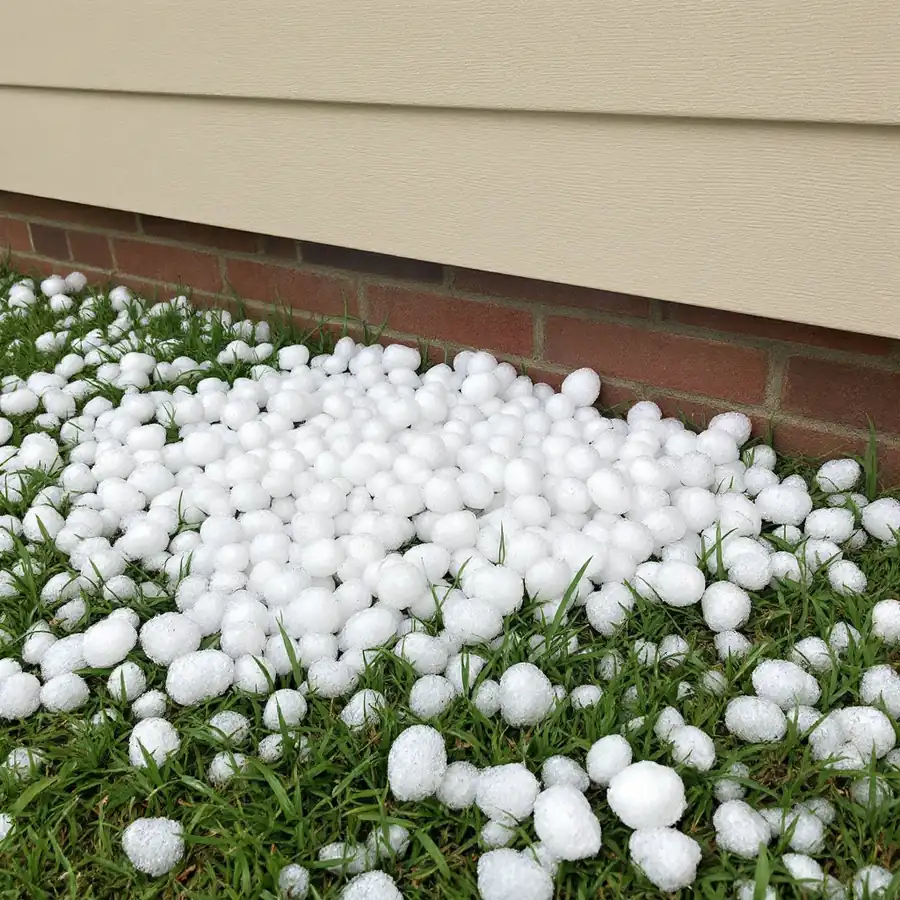
Before anyone climbs a ladder, photograph each wall from the street and up close, with a coin for scale. Dented gutters, chipped paint and hail left in the grass help show stone size. With 86 multi-county hail days in our count, write down which storm it was.
Call the insurer before you sign anything
Open the claim with your insurer or agent. A contract signed on the porch the next morning can bind you to a price before anyone has read the policy.
Use the adjuster's estimate as a benchmark
The Texas Attorney General gives this advice for storm repairs: “If you are insured, call your insurance adjuster and have them make an estimate of the damage and probable repair cost.” That estimate is a yardstick when contractors start quoting.
Get written estimates for the same scope
Ask two or three firms to price the same walls, the same product and the same trim. Our calculator counts the squares of siding a wall takes, so you can check each quantity against the house.
Out-Of-Town Crews
Out-of-town storm crews and Chapter 58
After a declared disaster, Texas adds a payment rule for repair firms without a local base. It is narrow, and it is easy to check.
When the chapter applies
Chapter 58 of the Business and Commerce Code covers “disaster remediation”: removal, demolition or reconstruction of property damaged by a natural disaster, such as wind or storm, that the governor or a county judge has declared a disaster. A siding job after a declared hailstorm can fall under it.
The local-address exception
The chapter does not apply to a firm that has kept a physical business address for at least a year in your county or a county next to it. Ask for that address and look at it on a map; a hotel or a post office box is not a year-old business address.
The statement in bold the contract must carry
When the chapter applies, the contract must be in writing, and the contractor “may not require a person to make a full or partial payment under a contract before the contractor begins work.” Partial payments must stay in line with the work done and materials delivered, and the rule is printed in bold in the contract. A waiver is void.
At The Door
Signed at your door: three business days to cancel
Texas home-solicitation law gives you until “midnight of the third business day after the date the consumer signs an agreement or offer to purchase” to cancel a sale of more than $25 made away from the seller's place of business. The FTC's Cooling-Off Rule sets a similar federal floor.
What the cancellation notice must say
The seller must hand you a copy of the contract with the date, its name and address, and a statement of your right to cancel next to your signature. The seller must also tell you about the right out loud. A contract that waives the right is not allowed.
Same language as the sales pitch
The papers must “be in the same language as that principally used in the oral sales presentation.” If the pitch at your door was in Spanish, the contract and the cancellation form should be in Spanish too.
Mail the cancellation so you can prove it
The Attorney General suggests sending the cancellation by certified mail and keeping a copy. Note the date you signed; the clock runs on business days.
Lien Law
Texas lien law: the disclosure, the list and the 10 percent
In Texas, a supplier or a sub who is not paid can file a lien claim against your house even if you paid the contractor in full. Chapter 53 of the Property Code gives owners four tools against that.

The “Know your rights” disclosure before you sign
Before you sign a residential construction contract, which in the statute includes repair of your home, the contractor must give you a statement headed “KNOW YOUR RIGHTS AND RESPONSIBILITIES UNDER THE LAW.” It explains liens, the list of subs and the money you hold back. A firm that has never heard of it has not done much Texas residential work.
A list of subcontractors and suppliers
Before work starts, the contractor must give you the names, addresses and phone numbers of the subs and suppliers it plans to use, and update the list within 15 days of a change. You can waive the list only in a separate bold statement. Many siding installers Dallas firms send to a job work as subcontractors, so the list tells you who is on your wall.
Hold back 10 percent for 30 days
Section 53.101 asks the owner to reserve 10 percent of the contract price during the work and “for 30 days after the work under the contract is completed.” Put that schedule in the contract so the final payment date is not a surprise.
The final bills-paid affidavit
With the final payment, the contractor must sign an affidavit that everyone who supplied labor or materials has been paid, or list who has not. Do not hand over the last check without it.
Homestead liens need a written contract
A lien can attach to a homestead only through a written contract the owner signed with the person doing the work. The Attorney General's storm advice says the same in plain words: “Find out in writing if the contractor or business will place a lien, security interest or mortgage on your property.”
Before You Sign
Putting a Dallas siding job in writing
Owners who search siding replacement Dallas usually want a price; we give none. Here is what the Attorney General says a repair contract should carry: total cost, work, schedule and payment terms, in writing, with a copy for you.
Scope, schedule and payment terms
Name every wall, every opening and the start and finish dates. Tie each payment to a stage of work, not to a calendar date, and leave the 10 percent reserve in its own line.
No blank lines
“Do not sign a contract with blanks,” the Attorney General writes, because terms can be filled in later. Strike through empty spaces and initial each page.
Product line, house wrap and trim
Write the maker, the product line, the profile and the color. Say whether the old siding comes off, and what goes behind the new: house wrap, flashing at windows and doors, and how the trim and soffits are handled.
Who stands behind which warranty
A maker's warranty covers the product, often only when installed to its instructions; the contractor's warranty covers the work. The Attorney General asks that guarantees be written into the contract with who gives them and for how long. Ask who registers the product warranty and in whose name.
Cleanup, nails and the dumpster
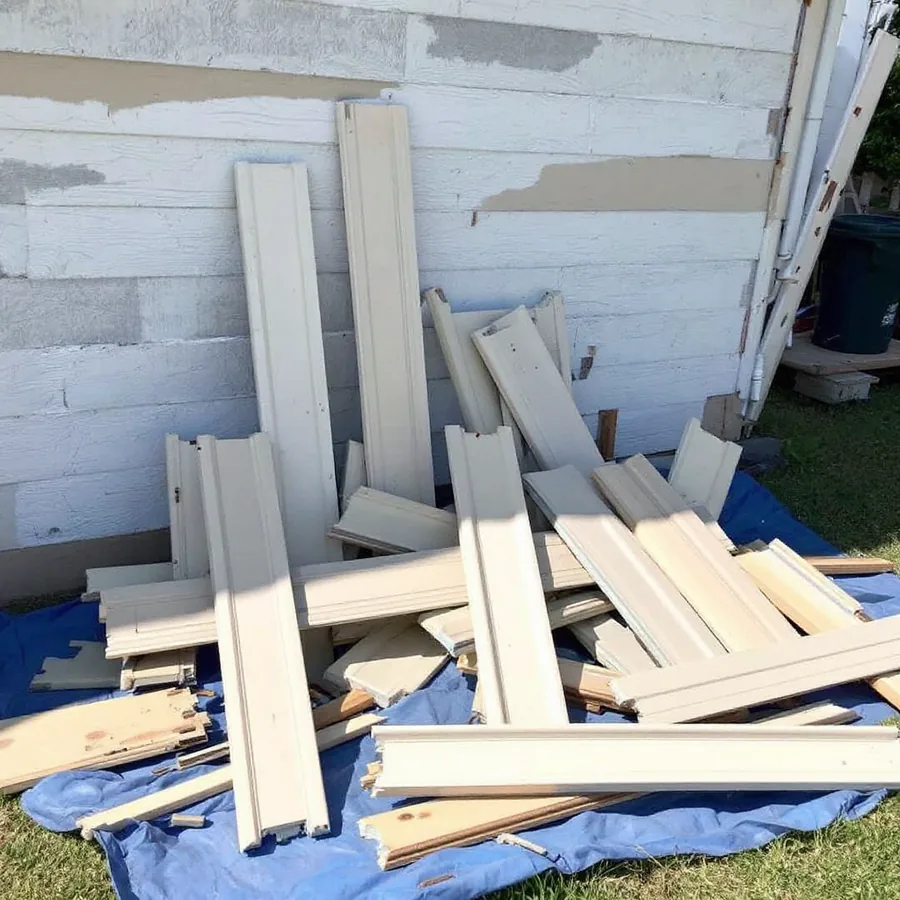
Old siding, nails and wrap scraps land in the yard. Say where the dumpster sits, who sweeps for nails and when.
Materials
Which siding holds up in North Texas weather
The best siding for Texas weather has to handle long heat, spring hail and wind. We know of no public test that ranks siding products against hail, so judge each one by how it fails, how it is repaired and what its warranty says about this climate.
Fiber cement and Hardie siding
Fiber cement lap siding is heavy, nailed board by board and painted. Searches for fiber cement siding Dallas TX and Hardie siding Dallas mostly mean James Hardie's lap and panel lines. The maker sells a line for the South that it says is built for “the brutal, humid heat of the south.” Our fiber cement guide covers the product; for James Hardie siding Dallas jobs, ask the installer to show the maker's instructions for that line. Hail chips paint and corners before it cracks a board.
Vinyl siding
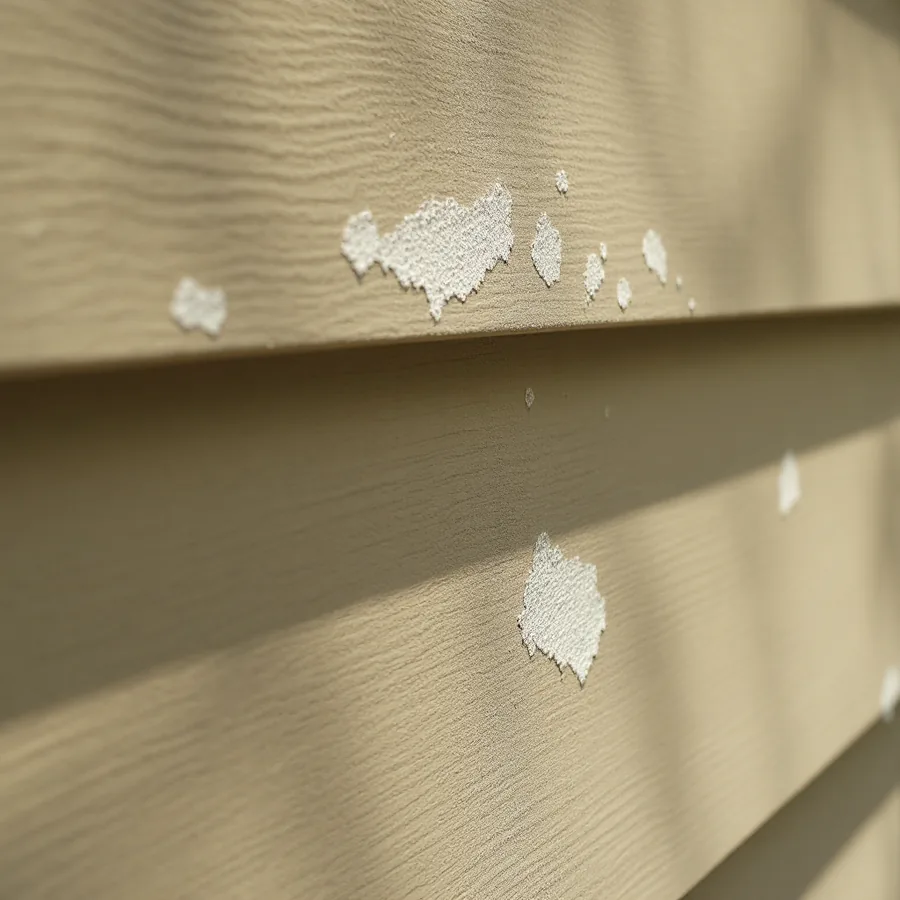
Vinyl siding Dallas TX searches turn up many installers, and the product is light, repaired one panel at a time and can crack when large hail hits it hard. See the vinyl siding guide for gauges and profiles.
Cedar and other wood siding
Cedar siding Dallas jobs are often repairs in older districts where the ordinance prefers wood. Wood siding Dallas owners keep it painted on all sides, because sun and the humid spring both work on bare wood. The wood siding guide explains species and finishes.
Engineered wood
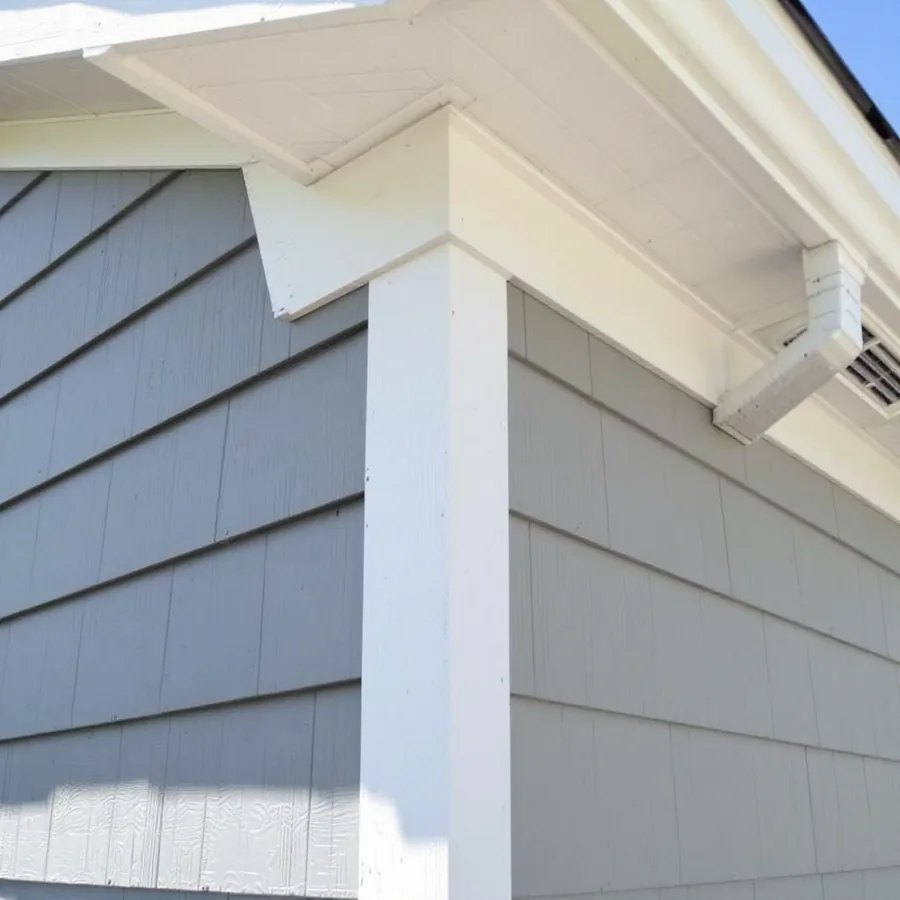
Engineered wood lap siding is lighter than fiber cement and is cut with ordinary woodworking tools. Ask for the maker's installation instructions and write them into the contract, since the product warranty leans on them.
Metal siding
Metal siding Dallas installs are mostly steel on modern houses and outbuildings. Steel shrugs off small hail but dents where big stones hit. Our metal siding guide reads the makers' warranties line by line.
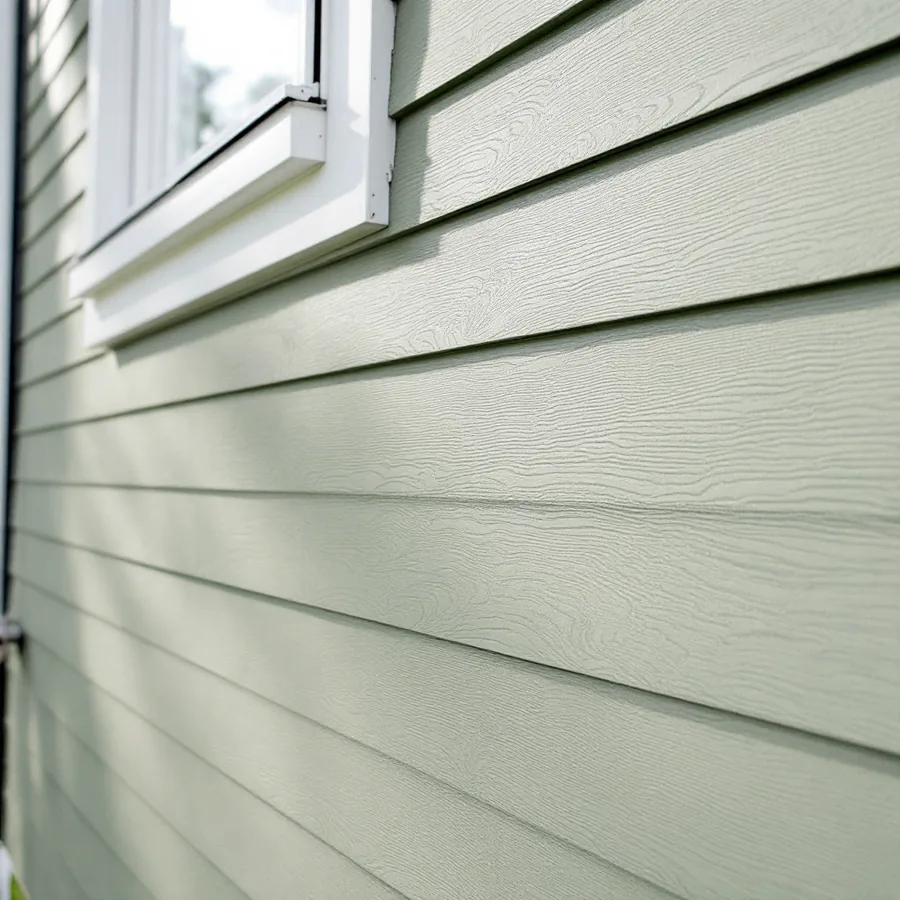
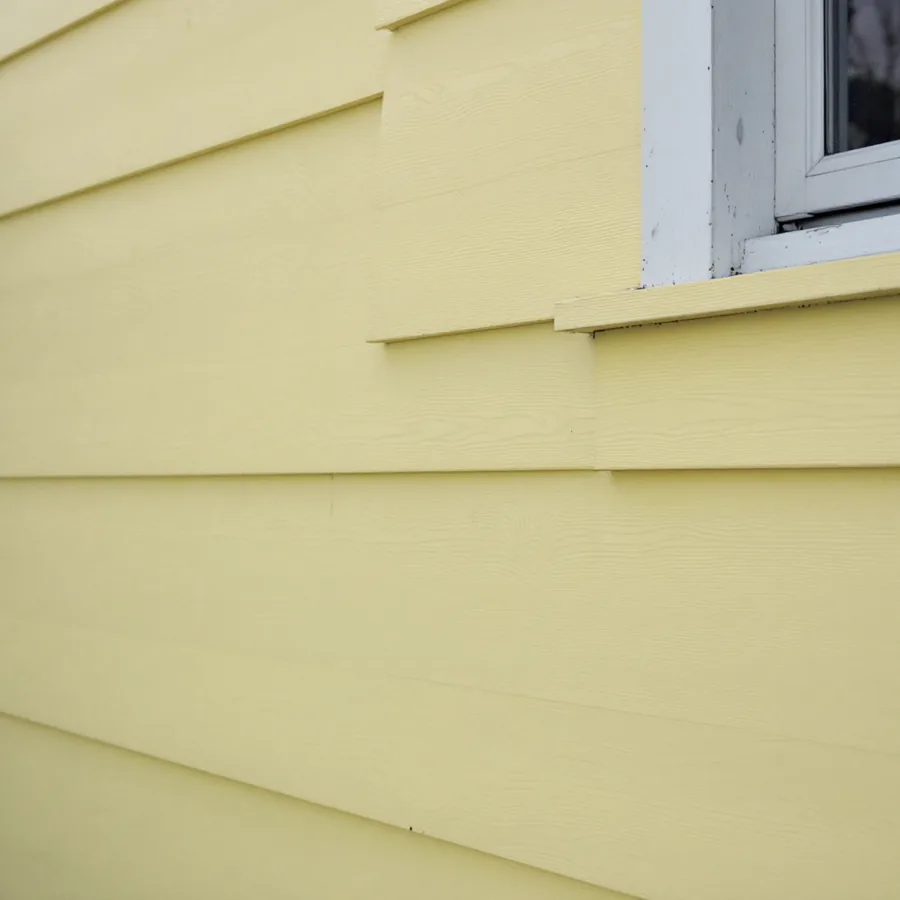
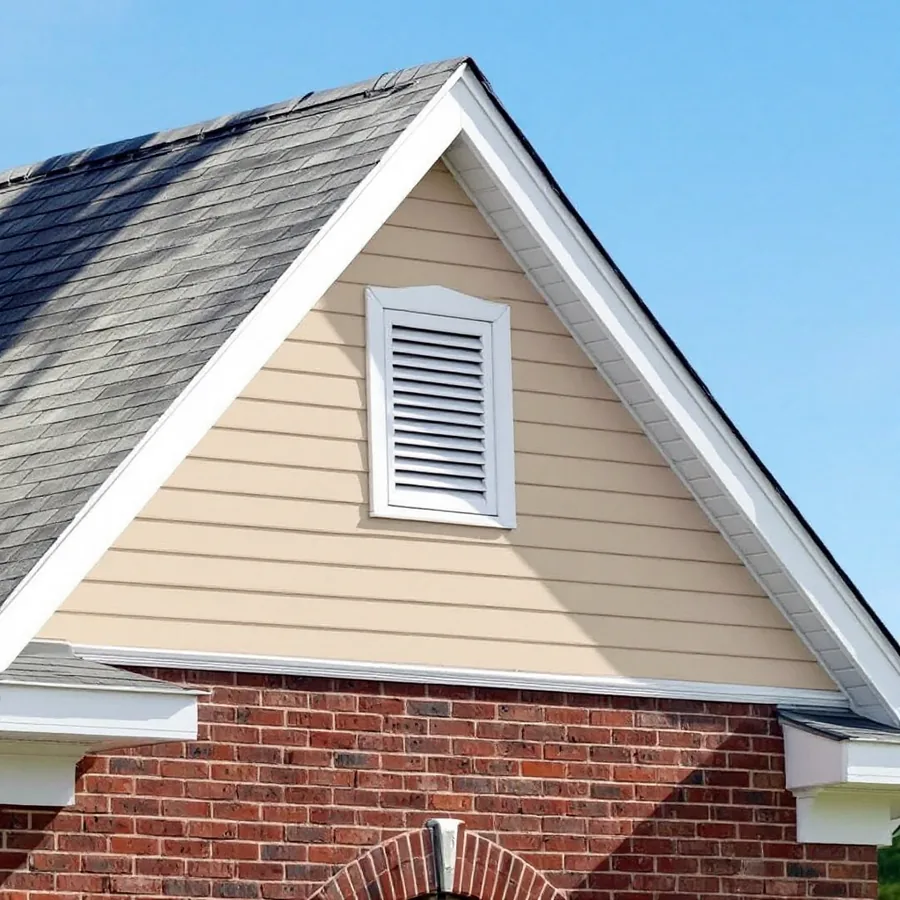
Materials
Brick houses with siding only on the gables
On a brick house, siding often covers only the gables, dormers or a second story, the walls that ladders reach last. Price those walls on their own, and ask how the crew protects the roof while working above it. The types of siding guide compares the materials above.
Repair Or Contractor
Siding repair in Dallas or a contractor for the whole wall?
Can siding be repaired? Usually, piece by piece, and our siding repair guide walks through how. This page is about who you hire for it and what the paperwork looks like.
A few boards after one storm
For siding repair Dallas homeowners often call a handyman or the firm that put the siding up. A small repair with no permit and no claim still deserves a written price, the product name of the replacement pieces and a date. Matching color on an older wall is the hard part; ask how it will be done before work starts.
When a claim or rotten framing changes the job
A Dallas siding repair can grow into a different job in two ways. An insurance claim brings in the deductible notice, the adjuster rule and possibly Chapter 58. Rotten studs bring in a building permit. Either way, treat it as a contractor job with a full contract.
Older Houses
Houses built before 1978: lead-safe siding work
Old painted siding and trim may hold lead paint. EPA's renovation rule requires “anyone paid to perform work that disturbs painted surfaces in homes, childcare facilities and preschools built before 1978 be certified,” with workers trained in lead-safe practices. Ask for the firm's EPA certification before old paint is scraped, cut or torn off. The rule generally does not cover owners working on their own home.
Choosing A Firm
The Dallas map pack and siding company reviews
Most searches for siding contractors Dallas open on a map with three firms. Below the map sit forums, review sites and lists of Dallas siding companies.
What the map pack in our check showed
On October 23, 2026 we searched the term from six places: the United States as a whole and Dallas, Garland, Irving, Richardson and Mesquite. Hawkins Siding and Exteriors and Emerson Roofing & Siding were in the map every time, and Ideal Siding Dallas in five of six. We have no tie to these firms and are not rating them. A place in the map is not a rating from us or from the city.
The limits of a review
A review says how one job went for one owner. It cannot tell you whether a siding company Dallas TX owners rate highly writes the deductible notice into its contracts or hands over a bills-paid affidavit. Ask for two references with the same product as yours, and drive by the houses.
Why we publish no ranking
One list of the best siding companies in Dallas that we read in the results was published by a siding contractor. Crews, owners and names of siding companies in DFW change over time, and a ranking ages fast. We publish what you can check and leave the choice to you.
Work It Out
Which Texas rules apply to your siding job
Choose the county, the kind of job, the age of the house and the district. The page lists the Texas and Dallas rules that touch your job. No price comes out.
Every contract on this list keeps the lien-law steps: the disclosure, the list of subs, 10 percent held for 30 days and a bills-paid affidavit.
How We Help
How we introduce Dallas homeowners to siding contractors
Siding Pros USA has no crews and installs nothing. We introduce you to independent siding firms in Dallas and nearby, and the quote, the work and the warranty are theirs.
Tell us the county, the job and whether a claim is open. Ask each firm we introduce for its registration, its insurance certificate and the lien-law papers above. Our fee is the same for any introduction; the about page explains it.
Questions
Questions Dallas homeowners ask about siding contractors
Does a siding contractor need a license in Texas?
No state license exists for siding. Plumbing, mechanical and electrical work need state licenses; the residential construction commission was abolished in 2009. Inside Dallas, a contractor who pulls permits registers with the city.
How do I look up a contractor's registration in Dallas?
Use the Contractor Registration search in DallasNow, the city's permit portal, and match the exact company name and address on your bid.
Do I need a permit to replace siding in Dallas?
Usually not: the city lists adding siding as work with no permit. Landmark, conservation and planned development districts are the exceptions, and replacing wall framing needs a building permit.
Can a contractor pay or waive my deductible in Texas?
Not without the insurer's consent. Under Business and Commerce Code Section 27.02 that is a Class B misdemeanor, and contracts of $1,000 or more paid from a claim must carry a bold notice that the deductible is yours.
Can my siding company handle my insurance claim?
It can write an estimate, but it may not negotiate the claim for you. Texas Insurance Code Section 4102.163 bars a contractor from acting as public adjuster on a property it works on.
Can I cancel a siding contract I signed at my door?
Yes, if the sale was over $25 and made away from the seller's place of business: until midnight of the third business day after you signed. Send the cancellation by certified mail.
What is the best siding for Texas weather?
There is no public hail ranking for siding. Fiber cement, vinyl, wood, engineered wood and steel each fail and get repaired differently; pick by repair, warranty and what your district allows.
Do you install siding?
No. We introduce Dallas homeowners to independent siding firms, and we are paid the same whatever the size of the job.
Where This Comes From
Sources, method and dates
- Hail, wind and tornado reports, five counties: NOAA National Centers for Environmental Information, Storm Events Database, bulk files StormEvents_details-ftp_v1.0, 2006 to 2025; revisions c20260323 for 2006-2016, 2018-2021, 2023; c20260519 for 2017; c20260625 for 2022; c20260728 for 2024; c20260819 for 2025. Our count. Severe thresholds: NOAA Storm Prediction Center, About the SPC.
- Counties of the city: U.S. Census Bureau, 2020 reference file of Texas places.
- Licensing: Texas Sunset Advisory Commission, Texas Residential Construction Commission; City of Dallas, Building Inspection FAQs.
- Registration and permits: City of Dallas, Application for Contractor Registration, DallasNow, Single Family Resident Information.
- Protected districts: City of Dallas, Landmark Districts and Conservation District Ordinances. Our count of both lists, October 23, 2026.
- Texas laws: Business and Commerce Code Section 27.02; Insurance Code Chapter 4102; Business and Commerce Code Chapter 58; Business and Commerce Code Chapter 601; Property Code Chapter 53.
- State guidance: Texas Department of Insurance, Roofing and insurance: Know the law; Texas Attorney General, Disaster Scams and Door-to-Door Sales and 3-Day Right of Rescission.
- Federal rules and makers: 16 CFR Part 429, the FTC Cooling-Off Rule; EPA Renovation, Repair and Painting Program; James Hardie, Hardie Zone System, a maker's claim.
Our editorial standards explain how we source and check what we publish. The hail count and the district count are ours, from the public files named above, and anyone can repeat them. For Denver's rules, which differ, see siding contractors in Denver. Siding Pros USA introduces homeowners to contractors and does no siding work itself. Last updated .
Before you call anyone
The flat-fee match — we are paid for the introduction, not for the size of your job
Most siding advice is written by the company that wants to do the work or the company that makes the product. That is not a failing of the people who read it; it is a defect in who is talking: the measurement, the estimate and the invoice come from one party, and no amount of care on your side fixes that.
We are built the other way round. We do not install, repair or sell anything, so the payment reaches us when you are connected to a licensed, insured siding contractor — the same amount whether you need one panel replaced or four walls re-clad. Nobody here has a reason to talk you into the larger number. You can check that rather than take it on trust: how we make money is written down, and this site keeps telling readers when one wall is enough. Why does not everyone work this way? Because a flat fee leaves money on the table every time the job turns out to be big.
Waiting is the one thing that actually costs money. A wall that is open to the weather does not get better and does not wait for a convenient week; the water that gets behind the siding finds the sheathing, the framing and the drywall inside. A cracked panel over a window lets the next storm in. And if it turns out to be one panel and a quarter-hour, say so when you ask. We will tell you, and that answer earns us nothing.
Not for you if: you want a price over the phone — nobody honest gives one without measuring the house; you need a guarantee of arrival within the hour — we cannot promise that for a company we do not run; the building is commercial; or you would rather do it yourself, in which case the pages on this site are written so that you can.